
Turn Storytime Into a Vocabulary Superpower
Rhythm-rich storytime can do much more than help kids wind down at the end of a busy day. When adults read playful, musical books out loud, they give children repeated exposure to the sounds and structures of language. The patterns, repeated phrases, and carefully chosen words make new vocabulary easier to notice, remember, and eventually use, which directly supports early reading skills.
In the Sadie and Seeds books, this approach is intentional. Rhymed and rhythmic lines, silly phrases, and repeated refrains give young listeners many chances to hear the same interesting words in clear, engaging contexts. With a simple two-week tracking plan, parents and teachers can watch those new words move from the page into everyday talk, especially during the energetic spring months when children benefit from an extra boost in reading and language practice.
Why Rhythm-Rich Stories Support Reading and Vocabulary
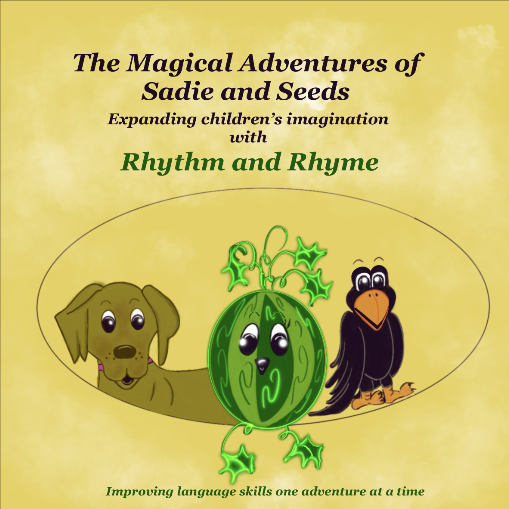
Rhythm-rich stories are books that feel almost like songs when read aloud. They may rhyme, repeat key phrases, or use a strong, regular pattern that children can follow. Even when they are written in standard prose, the language has a clear flow that makes it easier to attend to and predict. The Magical Adventures of Sadie and Seeds uses this musical style so children can hear language patterns while they follow Sadie the lab and her melon friend Seeds through each adventure.
This kind of rhythm does important work for early literacy and word learning. When children hear a pattern, they begin to anticipate what might come next. That active anticipation directly supports core reading skills by helping them:
- Notice individual sounds and syllables inside words
- Connect what they hear with the printed words on the page
- Maintain attention during reading, even when they are tired or restless
When these patterns are combined with rich vocabulary, they become a powerful tool for language growth. A word like gigantic or wobbly might feel unfamiliar at first. But when children hear it several times in a familiar phrase within a favorite Sadie and Seeds story, they become comfortable with it. They begin to understand it from context, remember when to expect it in the story, and eventually try using it in their own sentences. This repeated, meaningful exposure is one reason rhythm-rich stories are such an effective support for preschool vocabulary and later reading comprehension.
Setting Up Your Two-Week Word Detective Plan
This simple plan works well for preschoolers and early elementary children, whether at home or in a small group at school. It focuses directly on vocabulary growth and reading readiness. No special training is needed, just a few favorite books, a pen, and a willingness to observe language carefully.
Begin by choosing 2 to 4 rhythm-rich stories:
- Clear, simple storylines children can retell
- Repeated refrains or phrases children can join in on
- About 5 to 10 interesting words that are slightly challenging but still understandable with support
The Sadie and Seeds stories are designed with this kind of rhythm and repetition, along with playful words like adventure, wobbly, and curious. Once you select your books, skim through and circle your target words. Then create a one-page “Word Detective Sheet” with these columns:
- New Word
- Heard It
- Said It
- Used in a Sentence
You can make one sheet for each child or one for the whole group. Keep it nearby during storytime so you can quickly note what you observe. This simple record helps you see how rhythm-rich reading directly contributes to vocabulary growth.
Week One: Listen, Enjoy, and Gently Highlight New Words
During week one, the focus is on enjoyable, repeated reading and gentle exposure to new vocabulary. Read the same book, or a pair of books, several times across the week. Short, daily rereads are more effective for vocabulary and reading development than a single long session. This steady routine fits well into spring schedules, such as after outdoor play or before bedtime.
As you read, draw attention to target words without turning storytime into a quiz. You can:
- Pause briefly after a target word appears
- Give a short, child-friendly explanation
- Point to the picture or part of the illustration that matches the word
For example, “Sadie is curious; that means she really wants to find things out.” Then continue the story so the flow of language remains natural.
On your Word Detective Sheet, you are just observing in week one. Mark when children:
- Smile or laugh at a word
- Repeat a word right after you
- Ask, “What does that mean?”
You are watching and listening rather than testing. The goal is to see how often those new words attract attention while the story’s rhythm helps children stay engaged, which strengthens both listening skills and early reading foundations.
Week Two: Invite Children to Use Their New Words
In week two, the focus shifts from listening to active use. Continue reading the same rhythm-rich books, but now invite children to participate more directly. Encourage them to:
- Join in on repeated phrases
- Echo rhyming lines
- Act out vivid verbs such as stomp, wobble, or leap
After reading, add one short activity that links the story to the season and reinforces vocabulary. For mid-April, possibilities include:
- “Spring adventure” drawings that you label together with new words
- Simple role-play using Sadie and Seeds puppets or stuffed animals
- A brief scavenger hunt to find things that are gigantic, tiny, smooth, or noisy
During these activities, track active word use. On your sheet, note when children:
- Say a target word independently
- Use it accurately in a full sentence
- Apply it in a new context during play or conversation
Even small steps matter. If a child says, “That puddle is gigantic,” after hearing gigantic in a Sadie and Seeds story, you are seeing how rhythm-rich reading and repetition have supported real vocabulary growth, which in turn prepares children for stronger reading comprehension.
Simple Ways to Notice and Celebrate Progress
By the end of two weeks, you should see clear evidence of word growth:
- More frequent use of target words without prompts
- Better understanding when you use those words in everyday talk
- Extra interest when the same words appear in any story you read
You can also compare language before and after the two-week plan. At the start of week one, ask your child to tell you about an adventure or a spring day at the park, and jot down or record what they say. At the end of week two, ask a similar question again. Count how many target words appear in each version and notice the change. This comparison shows how rhythm-rich stories and intentional repetition support vocabulary and expressive language.
Celebration helps new words feel meaningful and memorable. You might:
- Make a “Word Explorer” or “Sadie and Seeds Word Detective” certificate
- Create a small word wall with target words and child-made drawings
- Let children help choose the next Sadie and Seeds title or other rhythm-rich book for your reading basket
The aim is to connect vocabulary success with enjoyment, not pressure. When children feel proud of their word skills, they are more motivated to read, listen, and talk about stories, which strengthens both language and literacy.
Carry the Benefits Forward with Ongoing Reading Rituals
The real power of this two-week plan appears when it becomes a regular part of home or classroom life. Continue cycling through new rhythm-rich titles, while often returning to familiar favorites like The Magical Adventures of Sadie and Seeds. That combination of new and known material gives children a secure base as they stretch into more advanced vocabulary and story structures.
The Sadie and Seeds series also includes activities and coloring pages that match each story. These resources make it easy to keep using target words in different ways, from coloring directions to short captions. To start each new two-week cycle, choose one Sadie and Seeds book, select five new focus words, create or print a fresh Word Detective Sheet, and begin again.
Each small reading ritual strengthens children’s vocabulary, listening skills, and early reading development, while keeping the experience closely connected to the world of Sadie and Seeds and the language-rich adventures they offer.
Inspire Your Preschooler’s Imagination With Stories That Spark Curiosity
Explore our curated collection of best preschool books and bring the world of The Magical Adventure of Sadie and Seeds into your child’s daily reading routine. Our stories are crafted to nurture empathy, creativity, and a love of learning in young children. If you have questions about choosing the right book for your preschooler or want guidance for your classroom or home, feel free to contact us.