
Turn Coloring Time Into Story Time Magic
Coloring time can be much more than filling in shapes. When we connect a simple story to each picture, a quiet table activity becomes an engaging experience. Preschoolers often sit longer, listen more carefully, and follow what happens first, next, and last.
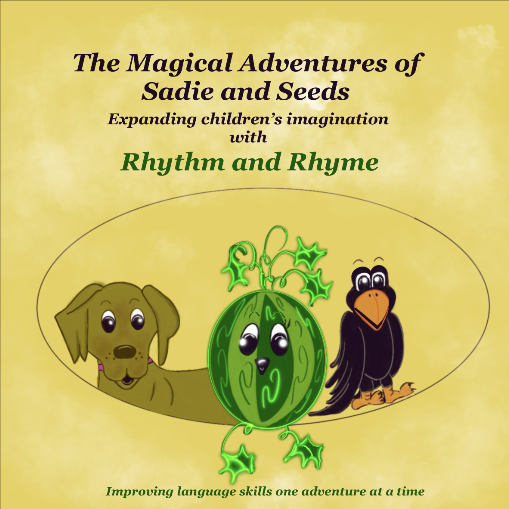
That is the core idea of a preschool coloring storybook. It sits between a picture book and early reading, giving young children a clear story to follow while their hands stay active. At The Magical Adventures of Sadie and Seeds, we pair playful animal adventures with themed coloring and activity pages so children are not only occupied, but they are steadily building attention, vocabulary, and imagination at the same time.
In this article, we will walk through how to match clear story moments to coloring prompts, why this matters for sequencing, language, and early child development, and simple steps any parent, teacher, or creator can use when planning preschool coloring books that truly support learning.
Why Rhythmic Stories Help Preschoolers Listen, Track, and Learn
Rhythmic stories use repeated words and sentence patterns that feel predictable to young listeners. This is not about writing in verse or creating a musical beat in prose. Instead, it is about gentle, consistent patterns in language that help children notice how words and sentences are structured.
Here are what rhythmic, patterned stories can do for preschoolers:
- Help them hear and remember repeated words and sounds
- Give them a sense of what usually comes next in a sentence
- Make it easier to follow along and stay with the story
- Support early child development by strengthening attention and listening
- Build vocabulary by revisiting important words in different, simple contexts
- Support recognition of word patterns that prepare children for later reading
When language patterns are clear and consistent, children can pay attention longer. They begin to notice familiar phrases, word groups, and sentence shapes. This supports phonological awareness (hearing and working with sounds in words), as well as early vocabulary growth, because key words appear often enough to become familiar.
Now connect that to coloring. If the story is clear and uses repeated, predictable patterns, it is much easier to match each part of the story to a specific coloring action or scene. Instead of a random picture, the child colors the exact thing just described. That is where sequencing grows, because the child can see and feel the order of events while listening and responding.
Building a Simple Story Framework for Coloring Books
Preschool coloring books with stories work best when the tale is very simple. A clear beginning, middle, and end that can be broken into small steps is ideal. Think about one main character, one main setting, and one main adventure. Too many twists can confuse young listeners and emerging readers.
A helpful way to plan is to map out key story moments. Each moment might be:
The main character notices something new
- A friend or animal appears
- A small problem appears
- The character tries something
- Something changes or grows
- The story ends with a calm, satisfying conclusion
For example, a character might spot a patch of dirt, find seeds, plant them, water them, watch them sprout, and then see flowers. Each step becomes its own clear moment. For preschoolers, sentences should be short and concrete, one event at a time. Each moment should match one clear visual image so the child does not have to guess what is happening as they color.
Repeated story structures in these moments also help children recognize patterns: a problem appears, a character responds, something changes. Over time, this pattern awareness supports comprehension, narrative skills, and early reasoning, all important parts of early child development.
Matching Story Moments to Coloring Prompts
Once the story moments are planned, they can be linked to focused coloring prompts. It helps to write the story moments first, then ask, “What can the child do on the page that fits this exact moment?” That way the story and the coloring move together, in the same order.
You might design the sequence like this:
- Story moment: “The girl presses tiny seeds into the soil.”
Coloring prompt: Color the seeds and the soil.
- Story moment: “Soft rain falls from the gray clouds.”
Coloring prompt: Trace the raindrops.
- Story moment: “Little green sprouts peek out.”
Coloring prompt: Color the sprouts green.
When the prompt is tied to a specific sentence, the child experiences cause and effect. They hear about seeds; then they color the seeds. They hear about rain; then they trace the raindrops. This close link helps them practice what came first, next, and last. This same skill supports later reading, writing, and everyday planning.
Pacing matters as well. Preschoolers often do best with 8 to 12 story moments per coloring storybook, each with a quick, clear task. This makes it possible to finish in one or two sittings and feel successful, which supports confidence, persistence, and self-regulation.
Designing Patterned Text and Purposeful Pages
Rhythm in stories does not require poetry or rhyming lines. In fact, for preschool coloring books, non-rhyming but patterned text often feels more natural and easier for adults to read aloud. The focus is on repetition and predictable structures instead of musical wordplay.
Here are some simple ways to create helpful patterns in prose without turning the article itself into rhythmic writing:
- Use a consistent phrase to signal new actions in the story, such as a short lead-in line that always comes before a new step.
- Use similar sentence structures across story moments, like: “She looks… She listens… She learns…” in the book text itself, not in the explanatory article.
- Bring back important words across several beats so children hear and see them often.
These patterns cue children that a new coloring action is coming and help them recognize word groupings. As they hear or see repeated starters and familiar words, they practice predicting language, which supports literacy and vocabulary growth.
Sentences in the story text should stay short, with simple structures and familiar words. The goal is clarity and predictability that invite the child to listen and then act.
Illustrations should match that clarity. Strong outlines, open spaces, and minimal clutter help young preschoolers know what to color, trace, circle, or dot. Using verbs from the story as action-focused prompts works well. For example:
- Color
- Trace
- Circle
- Dot
- Connect
In The Magical Adventures of Sadie and Seeds, these actions often take place in gardens, forests, meadows, and weather scenes. These settings are useful for talking about colors, shapes, basic science words, and descriptive language such as soft, tiny, bright, tall, and wet. As the story moves along, the challenge can slowly increase. Early pages may ask the child to color one object. Later pages may say, “First color the seeds, then the sprouts, then the flowers,” to quietly practice multi-step directions, sequencing, and following instructions.
Adding Activities and Testing with Real Preschoolers
To deepen engagement, simple activities beyond coloring can be added, as long as they still connect directly to the story. After a short bit of text, include one small task that fits what just happened. For example:
- Match animals to their homes after meeting them in the story
- Find hidden objects that were just mentioned in the text
- Trace the first letter of an important vocabulary word
- Count seeds, raindrops, or leaves related to the scene
These activities support early literacy and early executive function. Children listen, follow directions, scan for details, and connect words they hear or see in pictures to movements. Repeating key vocabulary across these tasks further strengthens word knowledge. Parents and teachers especially welcome this kind of calm, learning-rich activity during spring and early summer breaks, when they want something quiet but meaningful.
Before finalizing a coloring storybook, it helps to test pages with real preschoolers. Read drafts aloud while they color. Watch when they stay focused and when they get restless. Notice where directions seem confusing or where a page feels too busy. Afterward, ask simple questions: “What happened first? What was your favorite part to color? Was anything tricky?”
Feedback from early childhood teachers and literacy specialists is also useful. They can point out spots where vocabulary might be too advanced, where directions need to be clearer, or where a story moment could be shortened. It is normal to revise pacing, prompts, and repetition to keep the story engaging but still appropriate for young children.
When preschool coloring books are designed this way, every crayon stroke supports story sense, language, attention, and vocabulary growth. All it takes is a simple, well-structured adventure broken into clear moments, each tied to a purposeful prompt. At The Magical Adventures of Sadie and Seeds, we focus on turning small moments, such as planting seeds or meeting a garden creature, into complete coloring storybooks that children return to for fun, comfort, and early learning.
Inspire Your Child’s Imagination With Creative Coloring Adventures
Our preschool coloring books are designed to spark curiosity, build confidence, and make early learning feel like a magical journey. At The Magical Adventure of Sadie and Seeds, we create engaging pages that help little ones practice fine motor skills while exploring uplifting stories and characters. If you have questions or want help choosing the best book for your child or classroom, please contact us so we can support your next colorful adventure. One magical adventure at a time.