
Turn Storytime Into a Vocabulary Superpower
Rhythmic stories can do a lot more than keep kids entertained. When we use rhythm on purpose, storytime becomes a powerful way to grow our children’s vocabulary and early reading skills, especially during those late spring days when school is winding down and summer reading is starting up.
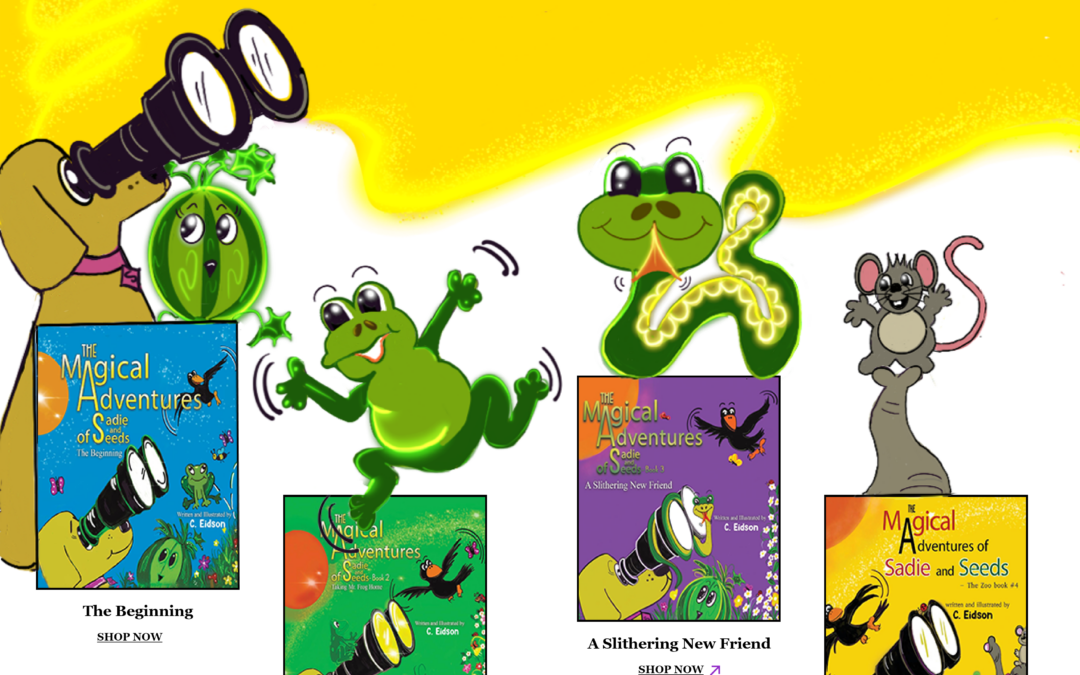
At The Magical Adventures of Sadie and Seeds, we build our stories around playful sound and rich words so young listeners can have fun and still soak up language that will help them in school. A big part of that is choosing strong Tier-2 words, like discover, mention, or curious. These are not baby words, but they are not super technical either. They show up in many subjects, classroom directions, and everyday conversations.
This article walks through a simple way to pick great Tier-2 words and then gives concrete activity ideas by age for children 3 to 6. Everything works with both printed books and kids’ story books online, so families and teachers can use what they already have and add more purpose to the stories they love.
Why Rhythm Supercharges Young Children’s Word Learning
Young children are naturally drawn to rhythm. When words come in a steady beat or pattern, their ears perk up. Their brains start to predict what might come next, which means they pay closer attention without even trying.
Rhythm helps with:
- Attention, because the pattern feels fun and familiar
- Memory, because repeated sound chunks are easier to remember
- Confidence, because kids feel like they can join in, even if they do not know every word yet
For early reading, these predictable patterns help kids notice chunks of language, like common phrases or word endings. Later, this supports decoding and fluency, because their brains already recognize how words can fit together.
Now think about placing a new Tier-2 word inside that pattern. When a sentence has a strong beat, the structure is doing part of the work. That frees up space in a child’s mind to notice the new word itself, to listen to how it sounds, and to think about what it might mean in the story. The rhythmic phrasing acts like a hook that the new word can hang on.
In The Magical Adventures of Sadie and Seeds, we use playful, musical language to tuck in rich vocabulary in a way that feels light and fun. Kids can enjoy the bounce of the words while slowly building the kind of language that will later show up in their classrooms and early readers.
A Simple Framework for Choosing the Right Tier-2 Words
Tier-2 words sit in the middle zone. They are:
- Not super basic, like cat, big, or run
- Not super technical, like photosynthesis or trapezoid
- Useful across many topics, like collect, arrange, brave, or curious
When we pick focus words for a story, we use a simple four-part test. Parents and teachers can use the same test when choosing books or kids’ story books online.
1) Useful
Ask: Will this word show up in school texts and everyday talk?
Words like notice, prefer, describe, or gather fit here. Kids will hear them many times over the years.
2) Repeated
Ask: Can this word pop up more than once in the story or series?
A single mention is nice, but repeated use gives kids a better chance to really learn it.
3) Noticeable
Ask: Does the rhythm and context make the word stand out in a friendly way?
A strong beat, a funny moment, or a big picture on the page can help a word shine without feeling forced.
4) Explainable
Ask: Can we define it simply using words the child already knows?
If you can give a short, kid-friendly meaning in a few seconds, the word is a good fit.
Once you have a story picked out, choose a tiny word list. Three to five focus words per book or per week works well. That small number lets children hear, say, and play with each word enough times for real understanding, instead of skimming across a long list they will quickly forget.
Rhythm Plus Vocabulary in Action with Ages 3 to 4
For 3- and 4-year-olds, our main goals are joy and exposure. At this age, kids learn most from hearing words in context and enjoying repetition. Rhythm keeps them tuned in even when their wiggles kick in.
Here are simple activities that fit this age:
• Rhythm Echo
Read a rhythmic sentence with a Tier-2 word:
“We pause and reflect by the shining blue stream.”
Then say: “Can you say reflect?” Have your child repeat just that one word in a normal voice. After that, give a silly but clear sentence, like “We reflect when we stop and think about what happened,” and maybe tap your head as you say it.
• Gesture Words
Pick a motion for each focus word. For enormous, stretch your arms wide. For curious, tap your chin. Each time you read that word, repeat the same motion together. The motion connects the sound of the word to a feeling in the body.
• Picture Hunt
After reading, flip through the pages or swipe through the pictures if you are using kids’ story books online. Ask your child to point to parts of the picture where the word fits. For curious, they might point to a character peeking around a corner, and you say, “She is curious, she really wants to know what is there.”
For this age, we are not chasing perfect definitions. We are helping new words feel friendly and familiar. Over time, the mix of rhythm, pictures, and playful talk slowly anchors each word in your child’s mind.
Deepening Word Meaning with Ages 5 to 6
Older preschoolers and kindergarteners can think about words more directly. They can compare meanings, notice patterns, and even talk about how a word feels different from other words.
Here are ways to stretch vocabulary with 5- and 6-year-olds:
• Word Switch
Pick a focus word, like enormous. Ask, “What is a close-together word for enormous?” If they say big or huge, you can respond, “Yes, enormous is like huge, but it can feel even bigger.” Keep it in plain sentences, not in rhyme, so they focus on meaning.
• Rhythm Detectives
Read a short part again and ask your child to clap or tap whenever they hear one of the focus words. Pause for a second after each clap and ask, “What is happening when we use this word?” You might say, “We say discover when someone finds something new.”
• Story Stretch
After finishing the book, invite your child to add one new, non-rhyming sentence to the story using a focus word. Then they can draw a picture to match their sentence. This step helps them move the word from just listening to actually using it.
You can blend print books and kids’ story books online and keep the same focus words across both. Maybe you meet a word in a rhythmic story one night, then notice it again in a different book or in a short online story the next day. These repeated touches help turn rhythmic listening into real academic readiness, as kids gain the language to talk about feelings, actions, and problem solving.
Bringing It All Together in Your Next Read-Aloud
When we pair a small set of thoughtful Tier-2 words with rhythmic storytelling, we turn ordinary storytime into a vocabulary superpower. Kids still feel the magic of the story, but underneath, their language is growing stronger and more flexible.
A simple plan for your next read-aloud could look like this:
- Pick one rhythmic story you already enjoy
- Choose 3 to 5 focus words with the four-part test
- Read once just for fun, then reread with one activity that fits your child’s age
- Use the same words in regular talk, drawing, or pretend play later in the week
At The Magical Adventures of Sadie and Seeds, we design our stories so rhythm and rich vocabulary walk hand in hand. With just a few intentional minutes during spring and summer reading, families and educators can build a strong base for later reading comprehension, classroom confidence, and a lifelong love of language.
Spark Your Child’s Imagination With Magical Stories Today
Explore how The Magical Adventure of Sadie and Seeds can bring more curiosity, kindness, and creativity into your child’s day with our enchanting collection of kids’ story books online. Each story is crafted to inspire meaningful conversations, big dreams, and a lifelong love of reading. If you have questions or want help choosing the right book for your young reader, feel free to contact us.