
How Rhythmic Stories Shape Future Readers
Growing up on stories shapes how children see books, words, and even themselves as learners. For preschoolers who are surrounded by screens, apps, and constant noise, the kind of stories they hear matters more than ever. Rhythmic stories, the kind that roll off the tongue and invite kids to chime in, do something special for young brains.
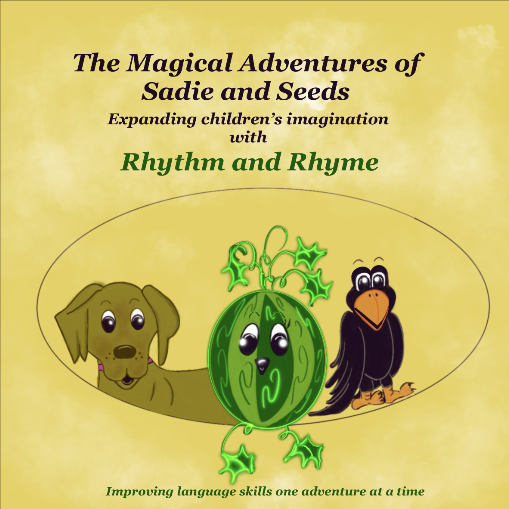
When we read picture books with musical language, we are not just entertaining kids for a few minutes. We are feeding the parts of the brain that handle language, attention, and memory. The rhythm and repetition act like a gentle drumbeat that helps words stick. Our own series, The Magical Adventures of Sadie and Seeds, was created as a world children can grow up in, where a lovable lab and her melon friend lead them through playful but powerful language.
In this article, we will look at what actually happens when children grow up on rhythmic stories. We will talk about how rhythm supports early brain growth, how it connects to later reading skills, and what to look for when you are choosing the best preschool books for summer and beyond.
Why Preschool Brains Crave Rhythm and Repetition
Preschool brains are busy. New connections are forming all the time as children hear sounds, learn new words, and try to make sense of their world. Rhythm and repetition give their brains a pattern to grab onto. Instead of trying to process every single word as something new, they start to recognize familiar beats and phrases.
This is where sound play comes in. Rhymes, alliteration, and repeated lines help kids hear how language works. They notice that some words start with the same sound or end the same way. This is called phonological awareness, and it is one of the strongest early building blocks for later reading.
Rhythmic stories work especially well when they live inside a familiar story world. Characters like a friendly lab or a silly melon become anchors in a child’s memory. When those same characters show up again and again with repeating phrases, kids can:
- Anticipate what comes next
- Join in on favorite lines
- Stay focused for longer stretches
- Feel safe and confident, because they know this world
That sense of “I know this” is powerful for a preschooler who is just beginning to feel like a real reader.
From Giggles to Grown Skills: How Rhythm Builds Literacy
At first, rhythmic stories may look like simple fun. Kids giggle, chant along, and ask for the same book again and again. Underneath the giggles, a lot of reading groundwork is being built.
Rhythmic stories quietly support:
- Vocabulary growth, by wrapping new words in a pattern that makes them easier to remember
- Sentence sense, as kids hear how words line up in a natural, pleasing order
- Sound awareness, as they clap, tap, or repeat rhyming words and silly phrases
- Print concepts, like noticing repeated words on the page or following text from left to right
Because the language is predictable, children often start to fill in missing parts. When an adult pauses at a familiar line, many preschoolers jump in excitedly with the final word. This kind of active participation boosts comprehension. They are not just hearing the story; they are helping tell it.
In The Magical Adventures of Sadie and Seeds, we use recurring phrases, playful sound combinations, and cozy, repeat settings on purpose. We want children to move from being quiet listeners to full reading partners. During storytime, families can pause at repeated parts and let kids finish them. Over time, children begin to “read” those lines by memory, which is a big step toward real reading.
What Grown-up Readers Gain From Preschool Rhythms
The impact of growing up on rhythmic stories does not stop in preschool. Children who have spent years wrapped in musical language carry some long-lasting habits with them.
They tend to notice patterns in text. When they start reading on their own, they see chunks of letters or familiar word endings and use those patterns to decode new words. That feeling of “I can figure this out” builds confidence and makes reading feel less scary.
Rhythmic language also shapes later writing. Kids who have heard thousands of lines that flow with a natural beat often:
- Write sentences that sound clear and complete
- Use transition words without being told
- Have a good sense of when a story feels “done”
Recurring characters in early books act a lot like the book series older kids love. When preschoolers have a steady pair of friends, like Sadie and Seeds, they get the joy of returning to a world they already know. That early “series experience” teaches them that books can be a home base, a place they come back to for comfort, curiosity, and fun.
Choosing the Best Preschool Books for Summer and Beyond
When warm weather arrives and days get a bit looser, reading can easily slip to the side. A simple way to keep it strong is to put together a summer reading basket filled with the best preschool books you can find: stories that your child will want to hear one more time, then again after that.
Look for books that have:
- Clear, simple storylines your child can retell in their own words
- Strong visual support, with pictures that match the text and help kids predict what is happening
- Rhythmic language and repeated phrases
- Lovable, recurring characters who show up in more than one story
That basket can travel with you anywhere, from the park to a grandparent’s house. Reading the same rhythmic stories in different places turns them into part of your family’s summer traditions. When we stay in one area, we see that kids remember where they were when a favorite line first made them laugh.
The Magical Adventures of Sadie and Seeds is designed to fit into that rotation. Sadie’s playful lab energy and Seeds’ bright, curious personality give preschoolers familiar friends to carry with them. As children revisit their adventures over the summer, they are not only avoiding a “literacy slide,” they are building a set of warm memories linked to reading.
Turning Storytime Into a Lifelong Reading Adventure
Rhythmic stories are most powerful when they show up every day, not just once in a while. A simple, steady read-aloud routine can turn storytime from a task into a treasured ritual. It does not have to be long. Even ten minutes before bed, before nap, or after breakfast adds up quickly.
A few easy habits can make a big difference:
- Reread favorite Sadie and Seeds stories, even when you feel tired of them
- Pause at repeated lines and let your child finish them
- Point out and talk about interesting new words
- Invite kids to act out scenes, bark like Sadie, or pretend to be Seeds
Over time, those small moments add up. Children who grow up on rhythmic stories often become teenagers and adults who feel at home with books. They know what it feels like to relax into a story, to hear language that flows, and to trust that they can understand it. Most of all, they carry the memory of curling up with Sadie, Seeds, and the people they love most, which is the kind of memory that can keep reading close to their hearts for life.
Inspire A Lifelong Love Of Reading In Your Preschooler Today
Give your child a magical start with stories that nurture curiosity, kindness, and imagination from the very first page. Explore our carefully crafted collection of best preschool books from The Magical Adventure of Sadie and Seeds and find the perfect next read for your little one. If you have questions or want help choosing the right book, feel free to contact us and we will be happy to guide you.