
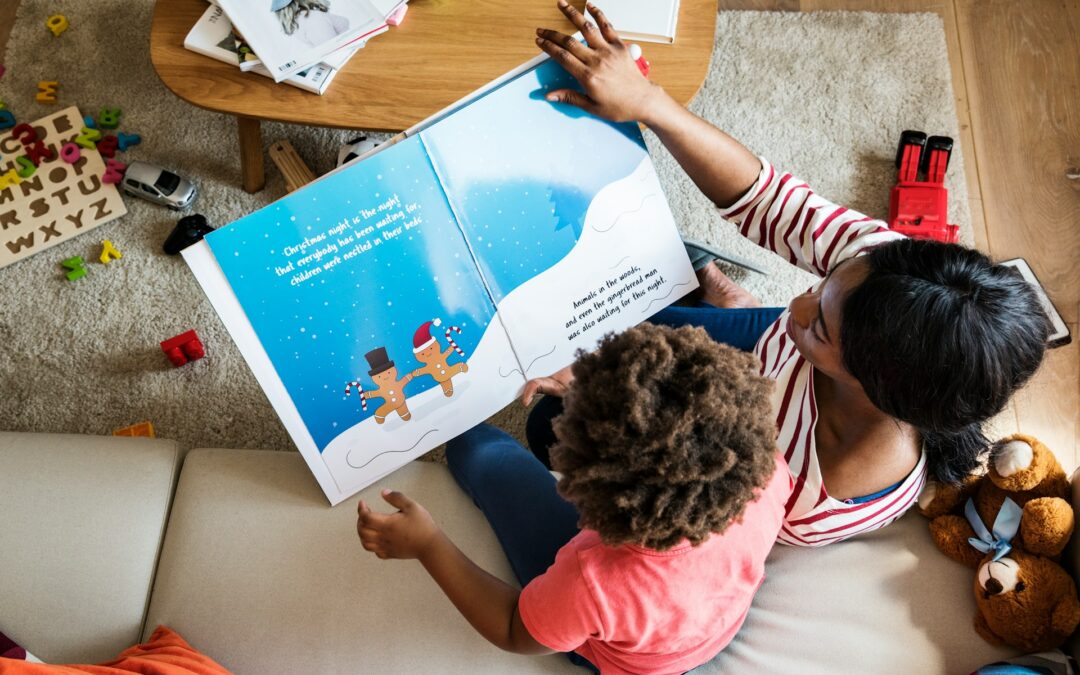
Build Big Little Brains with Rhythm-Rich Stories
Choosing the right words for preschool story time matters just as much as choosing the right book. When language feels playful and engaging, children absorb new vocabulary without feeling like they are being taught. Rhythm-rich stories make language memorable and fun while the brain is working hard behind the scenes.
Rhyming language supports early brain skills like pattern recognition, memory, and auditory processing. Instead of drilling flashcards, adults can share a cozy book and let those skills grow through repeated, enjoyable lines. The goal is not to pack stories with difficult words, but to use vocabulary that fits both the child’s world and the story world.
At The Magical Adventures of Sadie and Seeds, each book is part of an ongoing, connected experience. The stories build on one another, so the words introduced in one book can return and develop in the next. This approach allows vocabulary and concepts to grow alongside the child’s own experiences.
Why Rhythm Supports Preschool Word Learning
When language has rhythm and repetition, children tend to focus more closely. They notice patterns, anticipate sounds, and begin to try out new words aloud. Rhythm, rhyme, and repeated lines act as a kind of support structure for memory, giving new words a clear place to “live” in a child’s mind.
Rhythm-rich stories can help important early literacy skills, such as:
- Phonological awareness, or hearing and playing with the sounds inside words
- Recognizing word patterns, such as groups of words that share similar endings
- Building confidence in predicting what might come next in a sentence
- Developing a sense of the natural flow of language, which later supports reading fluency
Many strong preschool picture books introduce new vocabulary within predictable, repeated lines. Children often join in on the familiar parts, and along the way they encounter and retain more challenging words that appear again and again. In The Magical Adventures of Sadie and Seeds, language is intentionally recurring across books so that names, places, and key action words reappear in multiple adventures.
Because the series is ongoing, words are not used once and forgotten. A central verb or descriptive term from one adventure may return in the next, paired with a new setting or problem. This repeated exposure helps children move from simply hearing a word to understanding and eventually using it.
A Practical Preschool Word-Selection Approach
To decide which words deserve repeated use, it helps to think in clear categories. One simple approach for target vocabulary in preschool rhythm-rich stories includes
1) Close-to-home words
These are words for things children already know in daily life, such as:
- Feelings: happy, worried, proud
- Routines: bedtime, snack, cleanup
- Familiar things: pets, toys, rain, sunshine
2) Stretch words
These are slightly more advanced words that are still tied to concrete experiences, for example:
- Action words like discover, tumble, or whisper
- Nature words like meadow, puddle, or blossom
- Describing words like muddy, sparkling, or soggy
3) Story-world words
These belong to the specific universe of the series, such as:
- Character names
- Favorite locations
- Gentle magical elements or repeated items that define the story world
For preschoolers, new words should be understandable from pictures, context, or prior experience, even when the word itself is unfamiliar. For instance, a child may not know the word meadow at first, but if an illustration shows a wide green field with flowers and the story describes characters running through it, the meaning becomes clear.
In rhythm-rich books, balance is important. If one word in a line is a stretch word, the rest of the sentence should feel comfortable and familiar. In The Magical Adventures of Sadie and Seeds, this balance is used to build vocabulary gradually across connected adventures, rather than overwhelming young readers with too many new terms at once.
Families looking for strong preschool picture books can watch for that same balance. It helps to choose books where the meaning of new words can be inferred from the illustrations and surrounding sentences, instead of titles that add difficult words simply for effect.
Building Vocabulary Across an Ongoing Story World
An ongoing series offers a natural way to grow vocabulary over time. Children learn best through repetition combined with new experiences, and a continuing story world is well suited to this kind of layered learning.
One way to think about this growth is in stages:
- First, core characters and simple action words appear in early adventures.
- Next, those same words return as Sadie visits new places or faces new problems.
- Along the way, new settings, descriptive vocabulary, and problem-solving words are introduced.
Recurring phrases or story elements provide a sense of stability. When a familiar line or idea appears, children know what to expect and are more ready to pay attention to new words nearby.
Seasonal themes can also support vocabulary growth. A late spring or end-of-school-year adventure might focus on words about growing, changing, and exploring outdoors. Terms like sprout, explore, breeze, nervous, and excited link directly to real-life situations: new gardens, new friends, or changing routines as the weather shifts.
Partnering with Families to Reinforce Target Words
Even thoughtfully chosen target vocabulary is most effective when families and caregivers participate. Preschoolers learn new words by hearing, seeing, and using them in many different contexts.
Here are simple ways to support target words during shared reading:
- Select one or two interesting words from the story and pause briefly to talk about them.
- Point to matching pictures and say, “Here is that word again. Can you find it?”
- Invite children to act out verbs like stomp, tiptoe, or twirl.
- Ask, “What do you think this word might mean?” and accept partial answers as a starting point.
The aim is not to test children, but to make vocabulary feel like a natural part of the adventure. Activity pages and coloring sheets can reinforce this learning, especially when they feature key words from the story. Coloring the same dog, tree, or special object that appears in the book provides another opportunity to hear and say those target words in a relaxed setting.
Parents who enjoy preschool picture books can also look for titles with built-in prompts or repeatable phrases. When a line appears that children can join in on, it becomes an easy place to introduce an interesting word that will return in future stories.
Make Your Next Read-Aloud a Word-Rich Experience
Rhythm-rich stories can support vocabulary growth and early brain development at the same time. When adults choose close-to-home words, add a few stretch words, and connect everything within an ongoing story world, children are invited into language they can understand, enjoy, and reuse.
During your next rhyming picture book read-aloud, try this simple approach: select three “special words,” notice when they appear, and then use each one later that day during everyday routines. Over time, those repeated encounters help new words become part of a child’s active vocabulary.
At The Magical Adventures of Sadie and Seeds, each book is designed to build on the last, offering an ongoing, rhythm-rich experience. As children return to Sadie’s world again and again, they can revisit favorite characters, encounter new words, and strengthen the reading skills and vocabulary that support a lifelong love of books.
Inspire Your Preschooler With Stories That Spark Curiosity
Explore our collection of best preschool picture books and find the next magical adventure to share with your child. At The Magical Adventure of Sadie and Seeds, we create stories that help little readers fall in love with books while learning about friendship, nature, and imagination. Start building a storytime routine that your preschooler will look forward to every day. If you have questions or need a recommendation, feel free to contact us.