
Turn Story Time Into a Vocabulary Superpower
Reading aloud can quietly build your child’s future reading success. The way we use our voices, and the kinds of patterns children hear in stories, can make a big difference in how many rich words they actually learn. Small, thoughtful changes to how you share patterned, musical language in stories can turn cozy reading into a gentle, powerful vocabulary lesson.
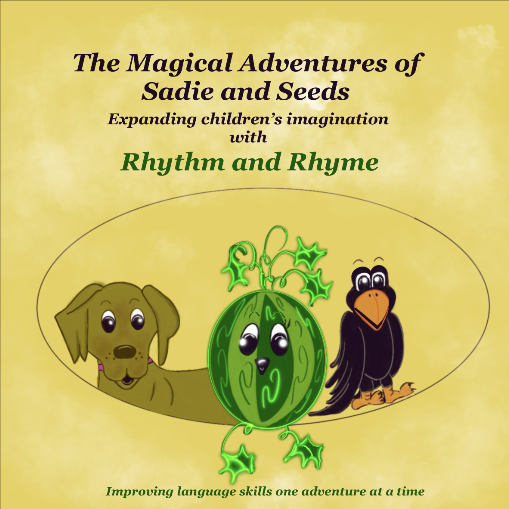
Here, we will walk through a simple, step-by-step “parent script” you can try with any of the best preschool books you already own, especially those with clear story beats and repeated phrases. We will focus on Tier-2 vocabulary, those juicy in-between words like curious, decide, and discover, and show how story patterns and expressive reading help them stick. At The Magical Adventures of Sadie and Seeds, our own stories use gentle suspense, animal friendships, and magical discoveries that are perfect for this kind of word and language play, but the steps work with almost any favorite book.
Tier-2 words are:
- More advanced than basic labels like cat or ball
- Common in school books and teacher talk, like examine or nervous
- Useful across many situations, not just one topic
These are the words that push your child’s language forward and help them understand more and more complex stories over time.
Why Story Patterns Matter for Little Listeners’ Brains
Stories for young children often include repeated phrases, predictable sequences, and clear pauses between important events. These patterns act like signposts in the story. When language follows a pattern, your child’s brain starts to guess what comes next. That guessing saves brain energy, so there is more room to notice new words, ideas, and feelings.
Rhyme is when words sound alike at the end, like cat and hat. Rhythm is the steady flow and pattern in how language is arranged and spoken. You do not need any rhyme on the page to create helpful patterns for your child. Even simple sentences can support learning when you keep your pacing clear and you regularly repeat key phrases.
Rhythmic, patterned stories support:
- Phonological awareness, by drawing attention to sounds and syllables
- Attention span, because predictable wording helps children stay engaged
- Comprehension, since kids can follow what is happening more easily
- Vocabulary growth, because repeated structures highlight important words
In The Magical Adventures of Sadie and Seeds, there are recurring phrases, gentle mystery, and magical moments. These are perfect spots to repeat a key sentence and clearly emphasize an important word. When a character discovers a clue or feels a big feeling, a calm, deliberate way of reading makes that moment and its vocabulary stand out.
Spotting Tier-2 Words in Your Favorite Stories
Before we talk about how to say the words, we need to know which words to choose. A quick test for Tier-2 words is this:
- Not too easy: not dog, red, or run
- Not too rare: not photosynthesis or trapezoid for most preschoolers
- Very useful: shows up in many stories and daily talk, like whisper, explore, or worried
Some Tier-2 words that often appear in the best preschool books with adventure or mystery themes include:
- explore, peek, examine, puzzle
- careful, sudden, gentle, brave
- curious, nervous, worried, relieved
When you skim a book before reading, look for 3 to 5 words that:
- Connect to the main feeling, like nervous or excited
- Match the story problem, like puzzle or discover
- Fit the magical twist, like secret or hidden
In The Magical Adventures of Sadie and Seeds, animal friendships and gentle mystery naturally bring in emotional words like brave and curious, and thinking words like investigate and discover. Those are exactly the kinds of words you want to mark with a sticky note or underline before story time, so you remember to slow down slightly and explain them.
A Simple Read-Aloud Script You Can Use Tonight
Now for the practical part: how to say these words so they “pop” without turning the story into a lesson. Here is an easy pattern you can use during any rhythmic or patterned story:
- Read the story at a comfortable, steady pace.
- When you reach a chosen Tier-2 word, slow down slightly.
- Make the word sound a bit stronger or clearer than the surrounding words.
- Add a brief pause after the sentence so the word has time to sink in.
So a line might sound like:
“She felt nervous about opening the tiny door.”
You can add quick prompts like:
- “Listen to this word: nervous.”
- “I am going to say that word again: nervous.”
- “Let’s say it together: nervous.”
To blend a kid-friendly meaning into the story flow, try this pattern:
1) Say the full sentence with the special word.
2) Briefly define it.
3) Repeat the word inside the same sentence or in a short follow-up sentence.
For example:
“He felt curious. Curious means you really want to know more. He felt curious about the strange, glowing seed.”
In a Sadie and Seeds style story, use this approach at “mystery moments,” like when a character discovers a clue or senses magic nearby. Those are natural places to slow your reading just a bit and shine a clear spotlight on the word. The repeated story patterns around those moments help children connect the new word with the feeling or event in the story.
Turning Magical Moments Into Word-Rich Chats
The benefits of patterned, rhythmic stories do not stop when you close the book. You can keep the same calm, predictable style in your questions right after big story moments. Repeat the Tier-2 word as you talk so children hear it in more than one sentence.
For example:
- “Why do you think she felt nervous when she heard the noise?”
- “What would you do if you were curious like the little animal?”
Use question stems that feel familiar each time you read:
- “What happened when…?”
- “How did she feel when…?”
- “What did he decide to do when…?”
Over time, your child will start to expect a thinking question after an exciting or magical event. That predictable pattern of “big moment, then talking question” turns story time into a gentle classroom for both emotions and language. Because the structure repeats from book to book, your child can focus more energy on the new words instead of figuring out what will happen next in the conversation.
Since this article lands in spring, you can tie words to real life. As you read books about planting seeds, animals, or rain, highlight words like:
- sprout
- patient
- gentle
- protect
Then carry those same words into your own spring routines outdoors so children hear them in different but related contexts.
Practice with Everyday Adventures
Once your child recognizes familiar patterns from rhythmic stories, bring the same clarity and repetition into daily life. On a walk, at the park, during bedtime, or while exploring nature, use Tier-2 words more than once in short, clear sentences.
You might say:
- “We are crossing the street carefully.”
- “You look curious about that bird.”
- “You were very patient while we waited.”
You can also pair your favorite rhythmic or patterned stories with simple printable activities, like:
- Story maps with key scenes
- Picture cards with characters and objects
- Coloring pages with important moments
As your child points, matches, or colors, repeat the Tier-2 words in short, straightforward ways: “This part is when he decides. Decide means you pick what to do.” Books like The Magical Adventures of Sadie and Seeds can then become anchors. Children hear the same special words in rhythmic stories, in play, and in real life, which strengthens both vocabulary and early reading skills.
Discover Storytime Adventures That Inspire Young Minds
Explore our collection of best preschool books and bring home stories that nurture curiosity, kindness, and imagination. At The Magical Adventure of Sadie and Seeds, we create engaging tales that help little learners grow with every page you turn together. If you would like help choosing the right book for your child or classroom, feel free to contact us so we can guide you. One magical adventure at a time.