
Turn Storytime into a Word-Learning Game
Read-aloud techniques that highlight sound and pattern are simple ways to help stories support language growth. By changing how fast or slow we read, adding short pauses, and inviting children to join in, we make it easier for them to notice and remember new words.
Preschoolers are wired to learn through sound and pattern. They clap, stomp, hum, and chant long before they can read, and their brains pay close attention to repeated language. When we read stories that use clear patterns in their sentences and phrases, children start to notice how words fit together, how sentences flow, and which new words matter.
The benefit of these patterned stories is that they do not need to rhyme on every page. That lets us focus on real, rich vocabulary while still giving kids the comfort of repetition and predictability. Early spring is a great time to refresh reading routines, especially as days get longer, schedules shift, and everyone is a little wiggly from being indoors. A few simple techniques at storytime can reset the mood and build strong language skills at the same time.
Why Patterned Storytelling Supports Preschool Vocabulary
When we read in a steady, clear way that matches the natural patterns of the story, children can feel the flow of language. Their bodies settle as they listen. When we slow down or change our voice at important moments, they notice that something new is happening. That shift in attention is powerful for learning words.
Here is what patterned storytelling can do for preschool vocabulary:
- Help kids predict what comes next, which makes it easier to follow the meaning
- Make new words “stick” because they are tied to a familiar sentence pattern
- Turn confusing sentences into something that feels familiar and safe
- Encourage kids to repeat words, which strengthens memory
Repetition and predictable language give the brain a strong hook. A flat, monotone reading can make even the best preschool books feel long and hard to follow. When we lean on the story’s natural patterns and emphasize important words, we turn new vocabulary into something kids want to hear again and again.
Adventurous animal stories are especially powerful for this. When kids are curious about what the animals are doing, or what might happen next in an imaginative scene, they pay closer attention to the words that tell the story. Many of the best preschool books use repeated phrases and pattern-rich language, even when they are not full rhyming books. That balance lets children enjoy the flow of language while soaking up real, useful words about places, feelings, and actions.
Teaching New Words Through Pace Changes
Pace is simply how fast or slow we read. Young children understand pace without any explanation, because they feel it in their bodies. When we speed up, it feels exciting. When we slow down, it feels serious, special, or important.
We can use pace to highlight new or tricky words. One simple way is:
- Read most of the story at your normal speed
- Slow down just before the new word
- Say the new word clearly, without turning it into a joke
- Repeat the word one more time in your regular voice
For example, during an exciting chase, you might read a little more quickly so it sounds like the action is moving fast. Kids sit up, eyes wide. Then you slow down for a new setting: “They ran all the way to their new ha-bi-tat.” Pause a breath, then repeat it naturally: “their new habitat.”
You can read more quickly when:
- Animals are running, flying, or splashing
- Something funny or surprising is happening
- The characters are being silly or playful
You can slow down when:
- A new place, like a forest or garden, is introduced
- A new feeling shows up, like nervous, proud, or peaceful
- A new character or animal appears for the first time
After a slow-paced word, try a quick, low-pressure question: “Can you say habitat with me?” or “Let’s say explore together.” This keeps it playful so storytime still feels like a cozy game, not a quiz.
Using Strategic Pauses to Make Words Stick
Silence can feel strange at first, but it is one of the strongest tools we have. A short pause gives your child’s brain time to grab onto a new word, turn it around, and file it away.
You can use pauses in a few easy ways:
- Stop right before a key word and let your child guess it, then say the correct word
- Pause right after a big new word and give a short, simple meaning
- Pause after a descriptive phrase and ask, “What do you think that means?”
For example, you might read, “The field was full of bright, colorful creatures called…” then pause. If your child guesses, celebrate it, even if it is not correct. Then supply the word, repeat it, and move on. Or you might say a phrase like “a curious little pup” and pause to ask, “What does curious sound like to you?”
Pauses are especially helpful with descriptive language about animals, nature, and feelings. In playful adventure stories, there are often rich details about fur, feathers, habitats, weather, or moods. When we stop for a second around those words, kids have time to picture them. Over long spring break days, when you are reading the same favorite book for the tenth time, these pause moments keep the story fresh and full of new meaning.
Call-and-Response That Builds Confidence and Word Power
Call-and-response is any pattern where the adult “calls” and the child “responds.” It feels like a tiny performance that you do together. Kids do not just listen, they speak, whisper, and laugh along.
Some simple call-and-response patterns for preschoolers include:
- Adult reads a sentence, child repeats the key word
- Adult says the animal name, child makes the animal sound
- An adult asks a predictable question, like “What does she see?” and child answers
- Adult starts a repeating phrase and child finishes it
This turns storytime into a back-and-forth game. When children say new words out loud, they practice moving their mouths in new ways, which supports pronunciation. Hearing themselves say the word also builds memory and confidence. Many families find that patterned adventure stories make some of the best preschool books for this, because the language naturally invites kids to join in, not just sit quietly.
Choosing and Using the Best Preschool Books for Language Patterns
Some books are easier to share in this interactive way than others. When you are choosing stories for preschoolers, look for:
- Strong character voices you can act out
- Playful, pattern-rich language and repeating lines
- Rich but still clear vocabulary, with words you can explain in a sentence
- Action scenes and feeling moments that invite pace changes
Stories about animals, nature, and imaginative adventures are especially helpful. They are full of descriptive words like fluffy, slippery, tiny, and enormous, plus action verbs like leap, pounce, dive, and flutter. There are also plenty of feeling words, such as calm, worried, brave, and thrilled, which help children name what is going on inside them.
Spring is a helpful season for this kind of reading. When you choose stories about growth, gardens, or baby animals, you can layer in your techniques around great words like sprout, hatch, explore, and discover. Mix in:
- Long-time favorite books that your child already knows
- New titles that match spring themes
- A rotating stack so words show up in different stories
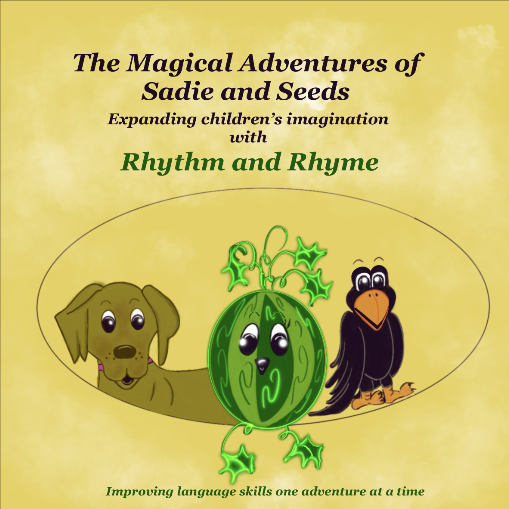
Hearing the same kinds of words across several books helps children understand that vocabulary works in many places, not just in one story. That is one reason we build imaginative animal adventures into The Magical Adventures of Sadie and Seeds, so children can meet important words again and again inside engaging, language-rich stories.
Spark Your Child’s Imagination With Stories They’ll Love
Discover how our stories can turn everyday moments into magical learning adventures with your little one. Explore the best preschool books from The Magical Adventure of Sadie and Seeds to nurture curiosity, kindness, and a love of reading. If you have questions or want help choosing the right book for your child, feel free to contact us.