
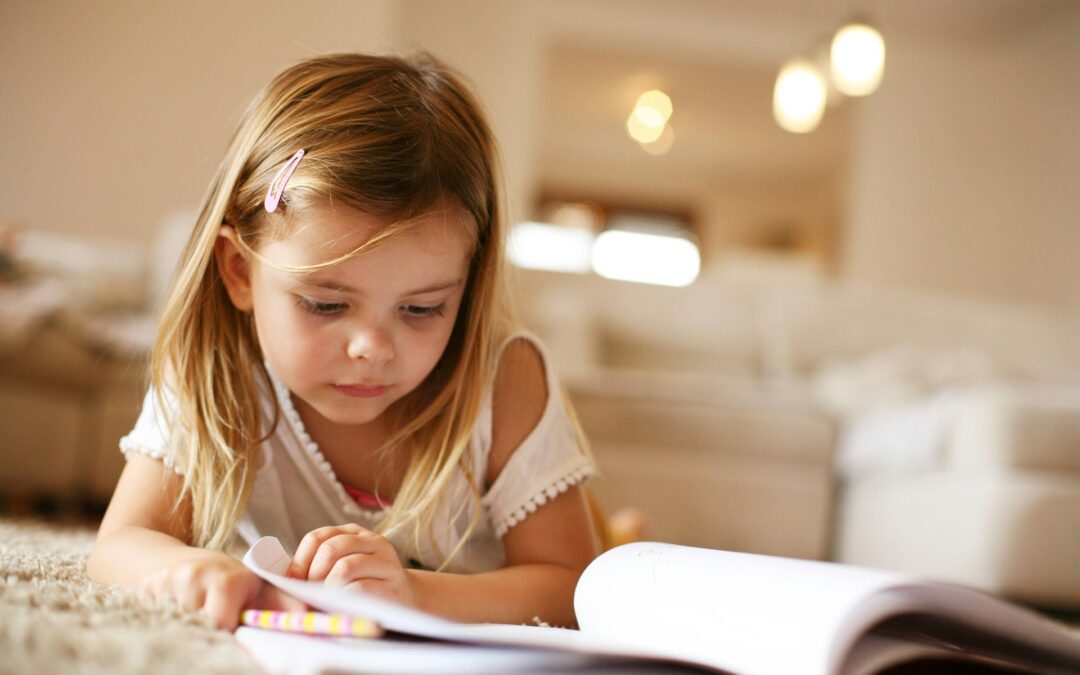
Spotting the First Signs Your Preschooler Loves Language
Rhyming books can be a natural next step once simple picture books feel a little too easy, but early reading can still feel far away. Many parents wonder when to bring out the playful, rhyming stories and when to hold off. The good news is that preschoolers usually give us clear clues when they are ready for more complex language. We just have to know what to look for.
In this article, we will talk about why rhyming stories matter, how to spot signs that your child is ready, and a few easy checks you can try at home. We will also share ideas for choosing the best preschool books for budding rhymers as you plan spring learning activities.
Why Rhyming Stories Matter for Early Reading Skills
Rhyming books do more than sound cute. They help children notice the sound structure inside words. When kids realize that dog and log share the same sound at the end, they are building phonological awareness. That skill supports later reading when they start sounding out and blending words in school.
Rhythmic, rhyming stories also make new words easier to remember. Repeated phrases, sound patterns, and steady language structures help vocabulary stick, especially when the story has characters your child loves. Playful animals, magical gardens, and friendly guides give kids a reason to listen closely and connect new words to familiar images.
Rhyming picture books also support other early literacy and language skills, such as:
- Paying attention from the beginning to the end of a story
- Following a simple sequence, like first, next, and last
- Growing imagination and visual thinking
- Building confidence as a “reading partner” who fills in lines
- Expanding vocabulary by hearing words repeated in different, meaningful contexts
- Recognizing sound and word patterns, which prepares the brain for decoding print later
These skills are part of early child development. As children listen, predict, and join in with the language, they practice memory, attention, and flexible thinking. This is why many of the best preschool books use rhyme, rhythm, and repeated lines. They turn listening into an active learning experience and support children’s growing reading and language abilities.
Clear Signs Your Preschooler Is Ready for Rhyming Books
You do not need a test or a checklist from school to know your child is ready. Every day, storytime gives you all kinds of clues.
Look for listening and attention signs like:
- Sitting through a short picture book without needing to walk away
- Watching as you turn the pages and noticing the pictures
- Following a simple story with a clear beginning and end
Then notice language and play signs. Preschoolers who may be ready for rhyming stories often:
- Repeat silly phrases from favorite books
- Laugh at made-up or “nonsense” words
- Start to play with sounds, for example, saying “cat, hat, bat” just for fun
Curiosity and participation matter too. Your child might:
- Point to pictures and ask, “What’s that?”
- Guess what comes next in a familiar story
- Try to finish a line you have read many times, especially if the pattern repeats
When children do these things, they are not only enjoying the story. They are practicing listening skills, building vocabulary through repetition and context, and noticing word patterns. These are early steps toward independent reading.
If you are seeing some of these signs, your child may be ready for more rhythmic, pattern-rich stories that invite them to join in.
Simple at-Home Checks You Can Try This Week
You can turn your living room or bedtime routine into a gentle language check. These are low-pressure and should feel like play, not a quiz.
Try a “Rhyme Detective” game. Say two words, like dog and log, then dog and car. Ask, “Which two sound the same at the end?” If your child struggles, that is okay. Notice if they enjoy guessing or listening. This kind of listening task supports phonological awareness and helps them hear how words are built from sounds.
Do a fill-in-the-blank story test with a favorite rhyming line. Read the line, then pause before the last word. See if your child:
- Says the missing rhyming word
- Says a different word that still shows they are listening
- At least smiles or leans in, expecting something familiar or funny
You can also try picture and sound matching. Draw or show two simple pictures, such as a seed and a bead. Ask which ones “go together because they sound alike.” Keep it light and playful. If they guess, praise the effort, not just the answer.
These small checks help you understand where your preschooler is with sound awareness, attention, and early word pattern recognition. Over time, these experiences support stronger reading skills and richer vocabulary.
Choosing the Best Preschool Books for Budding Rhymers
Once you see that your child is ready, it helps to choose books that support their growing skills. Not all rhyming books are the same. Some are too complex or have patterns that are hard to follow.
Look for books with:
- Clear, simple rhyme patterns
- Short sentences and predictable endings
- Strong picture clues that match the words
The story itself also matters. Preschoolers respond well to:
- Playful animal characters
- Gentle, imaginative adventures instead of scary plots
- Magical or surprising moments that invite questions and conversation
The best preschool books for young rhymers balance enjoyment with learning. They give you chances to pause, talk about new words, and notice sound patterns together. When you draw attention to a rhyme or a repeated phrase, you help your child link sounds to meaning, which is important for vocabulary growth.
Stories that connect to hands-on activities, such as coloring pages, seed-planting projects, or simple pretend play, help extend learning beyond the book. When your child can act out a story or color a favorite character, the language becomes more concrete and memorable. This kind of extension supports both language development and broader early learning.
What to Try Next If Your Child Is Not Quite Ready Yet
If your child seems overwhelmed by rhyme or cannot stay with the story, that is completely okay. Readiness for rhyme grows over time, with lots of gentle practice.
Try building sound play off the page first. You might:
- Sing simple songs or nursery rhymes during daily routines
- Clap the beats in your child’s name or in favorite words
- Play “same or different” with everyday words, like cup and cap
These activities support early child development by strengthening listening, memory, and attention. They also help children notice how words are made of smaller sound parts, which is important for later reading.
Non-rhyming picture books are still powerful tools. Use them to grow attention by talking about pictures, acting out scenes, and asking soft “What do you think happens next?” questions. This stretches focus, supports comprehension, and introduces new vocabulary in context.
You can also add small bits of rhyme to daily life, such as:
- One short rhyming page before bed
- A quick sound game in the car
- Exploring characters from rhyming stories in simple activity sheets
These light touches keep language enjoyable and build a foundation for when your child is ready for more structured rhyming books.
Turn Today’s Story Time Into Tomorrow’s Reading Success
As you move through your week, pick one simple check to try, like the fill-in-the-blank line or the Rhyme Detective game. Watch how your child responds, not just with answers, but with their face, body, and interest level. That reaction tells you a lot about their readiness.
Over time, you can slowly add more rhyming stories into your stack of the best preschool books, returning often to favorites so your child can participate and feel proud.
In The Magical Adventure of Sadie and Seeds, for example, the story follows a curious child and her seeds through gentle, imaginative adventures in nature. The books, coloring pages, and related activities are built around playful early literacy: repeated phrases, clear sound patterns, and rich vocabulary tied to growth, gardens, and discovery.
As children follow Sadie, they practice rhyme awareness, learn new words in meaningful scenes, and strengthen early reading skills while exploring themes of curiosity, care for nature, and everyday magic.
By choosing stories and activities that connect to these themes, you help your child build language, recognize word patterns, and develop early literacy skills in a way that feels natural and engaging.
Inspire a Lifelong Love of Reading in Your Preschooler Today
If you are ready to fill story time with curiosity, kindness, and imagination, explore how our stories can support your child’s early learning journey. At The Magical Adventure of Sadie and Seeds, we carefully create the best preschool books to spark conversations and big ideas in little readers. Browse our collection to find the perfect next read for your preschooler, and if you have questions or need guidance, feel free to contact us.