
Before kids learn to read full sentences, they often notice how those sentences sound. The rhythm of the words and the beat between lines stick with them long before the meaning of the words does. That is why rhyme plays such a big part in early reading. It acts like a handrail for preschoolers still learning how language works.
Preschool color books bring something extra to the table. They mix fun, familiar words like “red,” “blue,” and “green” with simple rhyming patterns that young learners can follow. These two elements, color and sound, work together to help build early word play in a way that feels easy and enjoyable.
Why Rhyme Matters in Early Reading
Good rhymes are not just fun to read out loud. They help kids tune in. When a sentence ends with a familiar sound, children start to predict what might come next. That small prediction helps them stay engaged, even if they are not reading the words themselves yet.
• Rhymes encourage active listening. Kids begin looking out for matching endings or similar sounds.
• Repeating sounds make lines easier to remember and retell.
• A strong, steady rhythm helps keep reading smooth and enjoyable for both the adult and child.
Books that rhyme give preschoolers a way to hear how language flows. Rather than focusing on recognizing letters too soon, they get to experience how words connect. With rhyme, learning becomes something they feel through the beat of the lines. The repetition and rhythm become a kind of anchor, offering comfort and predictability. This supportive structure helps children explore language without feeling overwhelmed by unfamiliar vocabulary or concepts, which is why rhyme is such a central feature in books designed for the youngest readers.
Color and Sound: A Smart Match
Color words fit easily into rhyming sentences. They are short, common, and show up well in everyday language. Using color themes in storybooks allows us to build pages that are both bright and sound-rich.
• Red, blue, green, and other colors are easy to rhyme with other short words.
• This makes it simple to form predictable sentence ends and repeated patterns.
• When stories repeat the same small set of colors, language becomes even easier for young readers to follow.
Combining colors with rhyme also reinforces vocabulary in a low-pressure way. Preschoolers begin connecting sounds with objects they know without needing flashcards or forced memorization. The support is built right into the story. These stories often blend the playfulness of language with the visual excitement of color, ensuring that children stay interested and curious. When kids can point to a color and say its name in a rhyming sentence, they are engaging with language on multiple levels: visually, verbally, and auditorily.
What Makes a Good Rhyming Color Book
Not all rhyming books work the same way. Some feel clunky because the rhyme is forced or the rhythm does not hold steady. This can teach the wrong kind of habit, where kids expect lines to feel awkward or run-on just to make a rhyme land.
• A strong rhyming book keeps a clean beat with natural language.
• Sentences should sound smooth when read out loud, without weird pauses or made-up words.
• The rhyme should support the story, not take over or distract from it.
We look for stories that hold a gentle pace and use real, familiar phrasing, stories that stay fun without getting messy or confusing. When rhyme is clear and easy, it helps form reading patterns that stick. While the appeal of rhyme can be strong, balance is key, and the best books feel effortless when read aloud. The flow should complement the illustrations and content so that the child is not confused or distracted if the lines do not quite fit naturally.
Winter Reading: Slow Days, Strong Sounds
By February, colder weather often means more time indoors. These quieter days give us a chance to slow down and read more with structure and rhythm. On long afternoons or evenings tucked inside, rhyming stories help keep minds engaged, even when the rest of the day moves at half speed.
• Bright color themes keep the stories feeling lively during colder, darker months.
• Clear rhymes and repeating lines fit well into slower routines like naptime or winding down for bed.
• Rhyming books require no extra setup, which helps make reading easy to return to.
A story with a strong beat can help lift the mood during slower seasons. When routines slow down, the sound and rhythm of the story carry more weight. They give kids something steady to hold onto without needing too much energy or screen time. These books can become cherished companions on cozy afternoons, and the repeated sounds and colors provide the comfort of familiarity, making winter storytime something to look forward to each day.
How Rhyming Color Books Build Word Play Over Time
Preschoolers learn from doing things over and over, and rhyming color books are built for just that. Each reread gives them another chance to match words, practice endings, and say lines out loud. They begin to play with the sounds they hear.
• Rhyme teaches how words can change while still sounding connected.
• Predictable patterns make it easier for kids to “join in” reading, even before they see the words.
• Preschool color books shape habits that support later word games, story writing, and speech rhythm.
The more often kids hear those patterns, the more confident they become in using them. Over time, these simple stories open the door to more advanced language play. They give structure without pressure. This playful repetition lays the groundwork for exploring new words, phonics activities, and more independent storytelling later on. With each familiar rhyme and color, children are quietly building a toolkit for literacy that grows with them.
Bright Pages, Happy Readers: The Sadie and Seeds Approach
As we choose early reading books, we always come back to rhyme. When lines bounce and sounds match, kids engage faster and stay longer. Combining that rhythm with something as simple and familiar as color gives preschoolers two ways to build language: by listening and by naming what they already know.
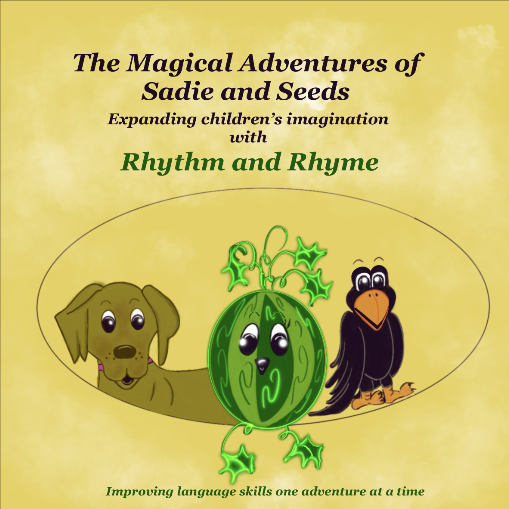
The Magical Adventure of Sadie and Seeds, created by C. Eidson, features inviting color themes paired with cheerful, rhyming lines. These lively books are designed for preschoolers ages 3 to 6, offering age-appropriate language, gentle repetition, and memorable visuals that support word recognition and early reading confidence. Book reviews on the site highlight how these stories spark smiles and have quickly become favorites for daily and bedtime reading.
The structure found in strong rhyming books is not just good for storytime. It sets the base for how young readers begin to speak, answer, and imagine with their own words. When color and rhyme work together, we do not have to push learning, kids feel it for themselves, right in the beat of the page.
Discover the joy of rhyming and color with our delightful collection of preschool color books at The Magical Adventure of Sadie and Seeds. Our books are crafted to help your child connect sounds and sights seamlessly, encouraging early word skills and language play. With engaging stories and vibrant illustrations, these books will quickly become a cherished part of your family’s routine. Dive into a world of rhythm and color that makes early reading a fun and enriching adventure.