
Phonics and sound awareness do not begin in a classroom. They often start in quiet corners with stories that carry rhythm, rhyme, and repetition across each page. For many preschoolers, this is their first real experience with how spoken words can fall into patterns, making language easier to hear and eventually to speak. That is where books with beat and bounce come in.
Not all good preschool books need to teach letters or follow a specific structure. Sometimes what matters most is how the words feel as they are read aloud. When books rhyme well and flow smoothly, they help kids pay attention to how words sound and what patterns they follow. These small details make a big difference.
As winter sets in, we tend to slow things down. There is more time for reading indoors, more time for soft, steady stories that do not need loud voices or extra energy. This makes it the perfect season to explore books that build sound skills in ways that feel natural and calm.
What Makes a Book a Sound Skill Builder
Some books do a lot more than tell a story. They shape how young children learn to listen, speak, and read. That kind of learning does not always come from direct instruction. It often happens through playful repetition, enjoyable phrasing, and predictable patterns.
• Repetition helps sounds stick. When kids hear similar endings or echoing phrases, they start predicting the next words, even if they cannot read them yet.
• Rhyme supports speech without pressure. Kids develop confidence as they repeat what they hear. Rhyming books allow them to practice timing, tone, and pacing as part of the story.
• Smooth rhythm teaches pattern. When the rhyme flows easily from one sentence to the next, it becomes easier for kids to follow along and stay with the story.
When rhymes work well, they feel light and clean. The words fall into place without sounding forced. But when rhyme is awkward or hard to follow, the rhythm breaks. That break can distract young listeners. So when we look for stories to support learning, we keep an ear out for smoothness. The right rhyme should sound a little like a song and feel easy on the tongue.
Books that have true staying power are often the ones that create an enjoyable reading experience. The feeling of lightness in the rhyme and predictability in the rhythm keep children coming back to the same book over and over again. This repetition, as enjoyable as it is, also builds important sound skills in a way that does not feel tedious or hard.
How Rhythm Supports Early Listening Habits
Rhythm offers structure, which helps kids figure out where one word stops and the next begins. That is important when they are learning how to speak clearly or follow along in a story. Rhythm builds listening habits long before a child reads on their own.
• Good rhythm teaches pacing. Each line builds with steady timing, giving kids a feel for pauses, breaks, and when to jump in.
• Rhythm helps memory. Stories with rhythm are easier to remember because the beat pulls words into order. That makes it easier for kids to recall lines after hearing them a few times.
• It adds fun without adding pressure. A good rhythm invites kids to repeat words with adults or speak along with storytime.
Some patterns work better than others. Sing-song styles, steady couplets, or bounce-style pacing often feel easiest to follow. They match a young child’s natural speech rhythm, which keeps them involved without pushing them too hard. We focus on stories where the beat supports the words instead of taking over. When rhythm works well, it adds just the right kind of structure to build listening without turning storytime into a lesson.
Being able to anticipate what comes next in a rhythmic story not only supports language growth but also gives children a sense of participation and accomplishment. When a book uses rhythm effectively, kids are often eager to join in, finish a familiar line, or echo back a fun phrase. This active participation helps cement listening habits and makes the experience much more interactive.
Signs That a Book Uses Rhyme Effectively
You can often tell from the first read whether a book has strong rhyme and rhythm or not. Once you have listened to a few, it becomes easier to spot the ones that feel smooth and the ones that feel a little off.
• Look for rhyme at the ends of lines. Clean, simple rhymes that finish a sentence are easier for preschoolers to hear and remember.
• Notice the pacing between lines. Good rhyme builds in a rhythm where the lines flow without feeling rushed or uneven.
• Pay attention to line length. Matching or gently growing line lengths build anticipation and give room for repetition.
Red flags include rhyme that sounds awkward, phrases that feel shoehorned into place, or stories that seem to lose the beat halfway through. These hiccups can take kids out of the story and make it harder to follow. We read aloud to get a sense of how a book sounds in motion. The better it flows, the more likely it will help with early language development in a way that feels fun.
In addition, a strong, natural rhyme should never overshadow the story itself. When words sound forced or chosen only to fit a rhyme, it is usually easy to hear. This creates confusion for early listeners and can make it tough for children to engage with the plot or message of the book.
Cozy Choices for Wintertime Reading
Some of the best books for colder months are the ones that feel calm on the page but still build sound awareness. They have a rhythm that feels like a rocking chair or a steady beat that echoes through a room. These are the types of good preschool books to keep in rotation through winter.
• Animal movement stories with bounce help kids stay active in their minds while seated indoors.
• Sound-focused stories offer playful language that turns quiet moments into learning time.
• Word games built into rhyming stories encourage kids to finish lines or speak along without needing prompts.
In winter, we often spend more time inside. Days feel longer, and routines shrink. That is a great time to reach for stories full of sound play, rhyme, and rhythm. Even if they are not loud or exciting, they fill the room with language. That low-key energy helps keep kids grounded but still engaged.
Rhythmic, comforting stories can also shape nightly routines. Making a habit of sharing a rhyme-rich story before bed builds security and makes reading a pleasant part of a child’s daily experience. It is not about finding the most exciting book, but the one that draws kids in with its steady, familiar rhythms.
Spotlight on Sadie and Seeds: Creating Lasting Sound Skills
Books that are rich in rhyme and steady in rhythm do more than speak to kids in the moment. They leave patterns behind that children carry with them, shaping how they listen and how they speak. Whether it is through repeating words, joining in on the last rhyme of a line, or just remembering how a sentence sounds, these stories stay with them.
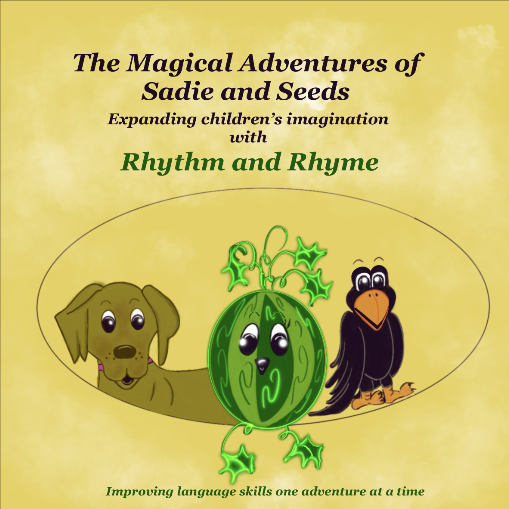
The Magical Adventure of Sadie and Seeds by C. Eidson is a celebrated children’s book set that emphasizes playful rhyme, gentle repetition, and imaginative storytelling. Each book is crafted with engaging, age-appropriate language and illustrations that keep preschool readers involved. Reviews on the site highlight how the stories “spark smiles with every page” and are especially loved by children ages 3 to 6, making them a trustworthy choice for families seeking learning-friendly fun.
Looking to fill your child’s winter reading time with engaging tales? Discover good preschool books at The Magical Adventure of Sadie and Seeds, where the rhythm and rhyme of storytelling come alive. Our books are crafted to build sound skills naturally, making reading a truly delightful journey. Let every beat and bounce invite your child to speak, listen, and enjoy the magic of language. One magical adventure at a time.