
Colors do more than just brighten up a page. For preschool learners, they help shape how stories are understood and remembered. Early learning relies heavily on visual storytelling, and colors are one of the first things little minds connect with. They not only grab attention but also spark curiosity. Whether it’s a bright blue ocean or a cheerful yellow sun, children start building connections between words and the colors they see.
Books about colors for preschool act as powerful tools in this process. When rhythm and rhyme are added to the mix, learning becomes even more fun and memorable. Each line that rhymes and each color that pops off the page work together to teach new concepts and boost focus. As young readers turn the pages, they’re also forming the base for key skills they’ll use as they grow.
Visual Stimulation
Colors catch the eye before any words are even read. Preschoolers are drawn to bright, bold tones because they stand out and make the illustrations more playful and exciting. Books that use strong, engaging colors paired with rhyming text tend to hold a child’s attention longer, which matters when building early reading habits.
The natural pull of color helps children stay involved with the story. As their eyes move across pages filled with lively scenes, it’s easier for them to follow along and understand what’s happening. The visual engagement lets them connect pictures to written words, turning storytime into a two-way interaction instead of a passive activity.
Here’s how color supports this process:
– Helps young minds stay focused on the page
– Makes it easier to remember moments from the story
– Connects spoken words with the colorful scenes shown
– Builds interest in turning the pages and sticking with the book
– Makes rhythm and rhyme stand out and feel more fun
For example, a page filled with swirling purple clouds and dancing red balloons brings an energy that pairs perfectly with the beat of a rhyming verse. The color invites curiosity, while the rhythm pulls them through the lines. Together, they keep a reader’s brain and eyes equally active.
Association And Memory
Colors work like anchors for toddlers when they’re learning new words and ideas. Repetition of colors helps young readers start to match names with visuals. If they see a red apple pop up in every story that includes the word apple, they eventually begin to link the two. The more exposure they get, the stronger those connections become.
Books that are centered around colors often go a step further. Along with calling out the name of a color, they describe objects in a way that makes the color easier to remember. Pair that with rhymes like green frog on a log or blue shoe in the zoo, and not only is the idea easier to understand, it’s also more fun to repeat out loud.
As their vocabulary grows, so does their confidence. Children start recognizing color names in daily life based on what they see and hear from their books. These links help them remember which sounds go with which words, how those words look, and what they mean.
Strong memory ties often begin with:
– Repeated exposure to colors, word by word, page by page
– Sound patterns that reinforce learning through rhyme
– Consistent color-object associations within different story settings
The rhythm helps lock each new idea into place while colors back it up visually. When both are used together in preschool books, early learning becomes more natural and enjoyable.
Emotional Development Through Color and Rhyme
Color plays a quiet but important role in how children start to understand emotions. Certain colors can spark different feelings, and young readers pick up on those cues even before they fully understand what those feelings mean. A calm blue background might make a page feel peaceful. A bright orange sky might bring out excitement or joy. When colors shift with the mood of a rhyme, it helps readers absorb not just the words, but the tone behind them.
Books about colors for preschool can support emotional learning by pairing these visual cues with simple, rhythmic language. The pattern of the words helps children stay with the story and identify the changes along the way. Rhymes also make it easier for them to remember how a feeling was described and how it matched the mood of the page.
Take a line like yellow sun so high and bright, makes us feel warm and light. It doesn’t need to explain what happiness is, it shows it. The color yellow and the rhyme work together to build a sense of joy that makes sense to even the youngest readers.
As they read more rhyming stories with thoughtful use of color, preschoolers begin to:
– Recognize feelings through the tone of voice used in rhymes
– Feel the rhythm of words as a way to connect to emotion
– Match changes in color with changes in mood
– Learn to describe how certain colors make them feel
– Begin forming links between visual and verbal emotional language
This isn’t about labeling emotions with big words. It’s about helping children connect how things look with how they feel in their own little way. That’s the foundation for building emotional vocabulary over time.
Colorful Stories That Spark Creativity
Kids are natural creators. Give them a box of crayons and a sheet of paper, and they take off. Color-themed books encourage this same kind of thinking. Each bright, detailed page pushes their imagination to wander beyond the story. When paired with rhyme, the rhythm gives them a structure to follow, while the colors leave room for interpretation and creative play.
Bold illustrations act like invitations to think, ask questions, or create something new. After reading a story filled with green frogs and orange rain boots, a preschooler might go looking for those colors at home to act out scenes of their own. Rhyme helps these ideas stick.
Parents and educators can boost this creative thinking with simple activities:
– Have kids draw their favorite color from a story and make a picture around it
– Ask them to come up with a new rhyme using an object and color, like pink sink or red sled
– Read two different pages and ask how the color changes the scene
– Let them fill in the rhyme by guessing the last word in a rhythmic line
– Play a matching game between colors mentioned in the book and items at home
This style of creative reading turns books into springboards for new ideas. Kids aren’t just absorbing what’s on the page, they’re using it to build their own version of the story in their heads. Rhymes become part of how they play, imagine, and explore language together with visuals.
Making Learning Fun With Color-Themed Books
Rhyme and color make learning light, enjoyable, and full of wonder. Young readers respond well to rhythm because it turns reading into a kind of game. It feels more like singing than reading. When you mix that rhythm with vibrant illustrations, it becomes an experience rather than a lesson.
Books about colors for preschool are often packed with joy on every page. You’ve got silly lines, vivid pictures, and repeating sounds that roll right off the tongue. That mix is exactly what helps a child focus longer and stay curious till the last page.
Here are a few types of books worth exploring:
– Color concept books that build understanding of specific shades, like red, blue, or green
– Rhyming books with musical language and sentence patterns that children can anticipate and repeat
– Adventure stories where colors play a key role in guiding the plot or solving silly riddles
– Books with rich, layered illustrations that encourage children to revisit pages and notice new things
The goal is to make reading an activity they choose because it’s fun. When a child grabs a colorful, rhyming book on their own, it builds independence in learning. They’ll start to memorize lines, point out favorite scenes, and maybe even ask to recreate them. That’s storytelling that’s working on more than one level.
Turn the Page to Colorful Learning
Books filled with color and rhyme do much more than entertain. They support the way a young mind learns by making connections between sight, sound, and meaning. Each page helps build focus, memory, and creativity without feeling like a chore. That balance is what makes them so valuable for early learning.
Whether it’s helping kids understand emotion, supporting memory through repetition, or just keeping them engaged with exciting visuals, the combination of rhyme and color shapes how they start to read. More than that, it shapes how they start to think. By making reading fun, these stories set the stage for a strong, joyful start to literacy.
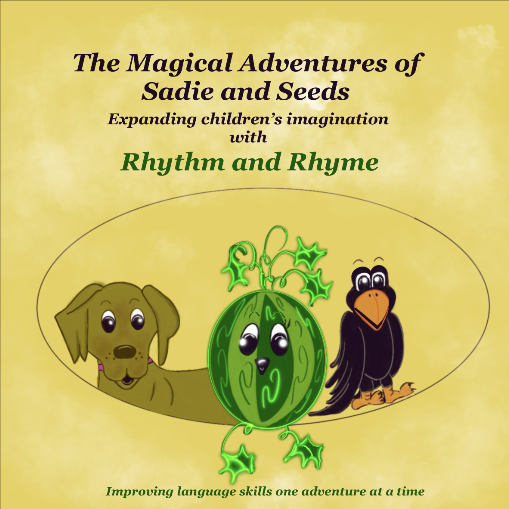
Encourage your little learner’s journey with engaging tales from The Magical Adventure of Sadie and Seeds. To explore how rhythm and rhyme can support early development, dive into our collection of books about colors for preschool. These stories are designed to spark curiosity and build language skills through lively verses and bold, eye-catching illustrations.One magical adventure at a time.