
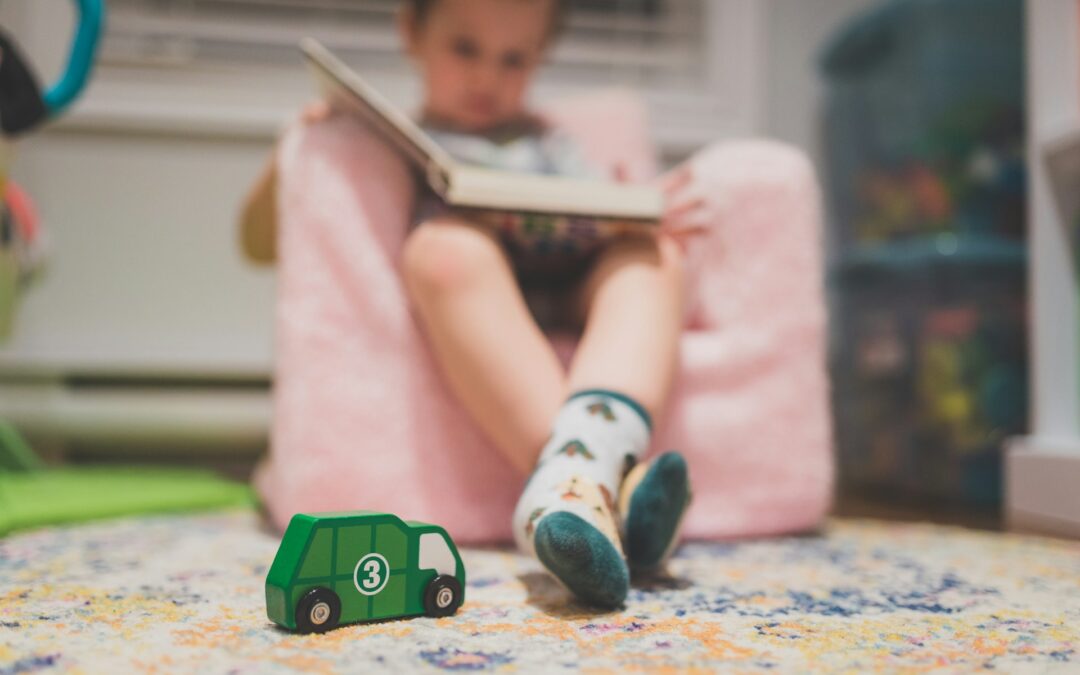
Animal stories have a way of sticking with us no matter how old we get. For young readers especially, there’s something exciting about talking creatures who go on wild journeys, solve problems, or simply enjoy the day in fun and silly ways. These stories open doors to faraway forests, deep oceans, and even space without ever leaving the comfort of home. That sense of magic helps turn reading into something to look forward to instead of a chore.
As readers begin to explore stories on their own, animal books for kids become a perfect fit. The characters are easy to latch onto, the adventures feel fresh, and the pacing moves just right for growing minds. They offer the kind of experience that mixes fun with rhythm, rhyme, and just enough surprise to keep young readers flipping the page. It’s not just entertainment. It’s a gateway to building strong reading habits.
Engaging Plotlines and Characters
One big reason animal stories stand out is how naturally they make room for imagination. Unlike regular people, animals in books can wear tiny hats, drive homemade submarines, or invent new words just because they feel like it and no one questions it. In each story, a bear flying a kite or a raccoon taking a picnic becomes absolutely possible. Kids accept it instantly, which helps them feel part of the action.
These kinds of stories also tend to move at a pace that feels right to younger readers. The characters get into situations that are surprising but not too complicated. At the same time, each story builds a world that stays in a child’s mind long after the book is closed. Just think about a clever fox sneaking through a vegetable garden or a curious bird who wants to follow the clouds across the sky. Even if it’s a short story, those images leave an impression.
Animal characters also offer just enough personality without overwhelming the story. They often seem brave, silly, or even a little clumsy, qualities that are fun and easy to follow. Readers enjoy imagining what it would be like to tag along on their wild adventures. And since these characters aren’t based on real people, the stories have more room to play around with bold ideas, strange settings, and wacky dialogue that still holds meaning.
Emotional Connections And Learning
Young readers quickly attach emotions to characters they like. When those characters are animals, it can feel less serious and more playful, which makes the emotional part easier to understand. They don’t need to look, speak, or act exactly like the reader to make a strong impact. That opens more space for kids to relate to feelings displayed in the story without getting caught up in real-world details.
Here’s what helps make those connections stick:
– Animal characters tend to emphasize one core trait, like curiosity, shyness, or boldness. Kids can easily recognize them and follow along.
– When characters face a challenge, like losing something or getting lost themselves, the response often mirrors basic human emotions in a simplified way.
– The setting can take away troubling parts of real life, so the focus stays on solving problems and feeling emotion, not the consequences.
– Since animals often move through a mix of silly and serious, it teaches flexibility in how to react to different moments in a story.
As the story unfolds, readers pick up more than just words. They start noticing how situations make characters act a certain way, showing patience, excitement, or surprise. These small pieces click into place in a child’s head, expanding the way they approach other books and stories in the future. Emotional learning doesn’t always need to come through a lesson. It can happen through a laugh, a chase, or even a rhyming line about a goat who missed the boat.
The Role Of Rhyming And Rhythm
The bounce of a rhyme and swing of rhythm can take a story from good to unforgettable. That’s especially true for animal books for kids, where rhyming helps shape a story’s tone in a way that grabs attention and keeps it. When rhyme is built into each line, the structure becomes easier to follow, almost like song lyrics. Even early readers who are still learning the basics can catch on quickly and feel proud when they start to predict the next word.
Stories written with rhyme are typically more fun to read out loud too. The natural rise and fall of the sounds pull readers in and make every sentence feel like part of something bigger. Instead of reading word by word, kids listen for the rhythm. And when a rhyming pattern is set early in a story, it’s easier to remember what happens because the sounds start linking together in their minds.
Here’s why rhythm and rhyme matter in animal books:
– They support memory and word recognition by repeating familiar sounds.
– Rhyming lines add musicality, which makes the story more enjoyable to listen to.
– Predictable patterns give readers more confidence in sounding out words.
– The back-and-forth rhythm helps with pacing and keeps attention on the page.
– They encourage kids to say lines out loud, even on their own, boosting early reading skills.
For example, in a story about a penguin named Patch, the lines might go: Patch wore socks that didn’t match. One was blue and one was plaid. He said, I like them both just fine. They make my cold feet feel real rad. A sentence like that offers steady rhythm, easy rhymes, and a silly image kids won’t forget. It’s the kind of writing that connects words to experience in a memorable way.
Vibrant Illustrations And Visual Appeal
What’s written on the page matters, but pictures bring it to life. Animal stories work especially well when the illustrations are bold, colorful, and packed with little details. A frog riding a scooter through a puddle or a mouse reading under a toadstool can do more than decorate a page. These images anchor the story, helping young readers track what’s going on and making sense of the plot from scene to scene.
When paired with rhyming lines, pictures do more than support. They enhance. A child might not know the word dizzy, but if they see a spinning duck twirling across the page, the meaning clicks. That’s one of the special things about stories told this way. The art and the writing work as a team. Neither one needs to work too hard alone.
Picture-driven scenes also slow down the reading process, but for a good reason. Kids take time exploring what’s going on in the background or on the edge of the page. That makes them more engaged and curious about what’s next.
Here are a few ways illustrations support good animal stories:
– They offer visual cues to follow the story more easily.
– They reinforce language and help explain new vocabulary.
– They invite readers to imagine details beyond what’s written.
– They make stories re-readable. Kids will spot something new every time.
When rhythm and rhyme meet engaging illustrations, the reading experience becomes more layered. Kids are more likely to sit through a full story, come back to it again later, and even start reciting parts from memory.
Nurturing A Lifelong Love For Reading
Not every book leads to a lifelong reader, but animal books for kids have a better shot than most. They meet young readers where they are, ready to laugh, explore, and guess what happens next. Rhymes make every sentence pop. Pictures fill the page with color and movement. And the stories themselves often read like little plays, perfect for acting out or reading aloud.
Once a child connects a happy, playful feeling with reading, that feeling tends to stick. The smoother the read, the stronger the pull. When readers discover that books can sound like games or feel like songs, they’re more likely to pick them up again and again.
Reading habits don’t grow overnight. But stories filled with rhythm and personality give kids something to look forward to. They don’t just practice reading. They enjoy it. And being pulled into a rhyming animal story might be one of the easiest and most effective ways to make that happen.
Discover The Magic Of Animal Stories
Animal stories have the power to turn pages into playgrounds, where each rhyme is a step and each line a little leap forward. With every silly goose or dancing moose, a child learns something new, whether it’s how to follow rhythm, recognize words, or simply enjoy reading without pressure.
Through clever rhyme, expressive animals, and the kind of artwork that pops right off the page, these stories create the kind of reading moments that kids want to come back to again and again. They set a strong foundation, not through drills or tests, but through curiosity, laughter, and lines that flow like music. That’s what makes animal books for kids so special, and why they continue to open doors to reading and beyond.
Immerse your young readers in captivating stories with our delightful kids animal books from The Magical Adventure of Sadie and Seeds. Our tales are designed to ignite curiosity, blending enchanting stories with rhythmic rhymes that children adore. These books offer the perfect combination of fun and learning, creating cherished moments that inspire a lifelong love of reading. Help your child explore imaginative worlds today and watch their passion for books grow! One magical adventure at a time.