
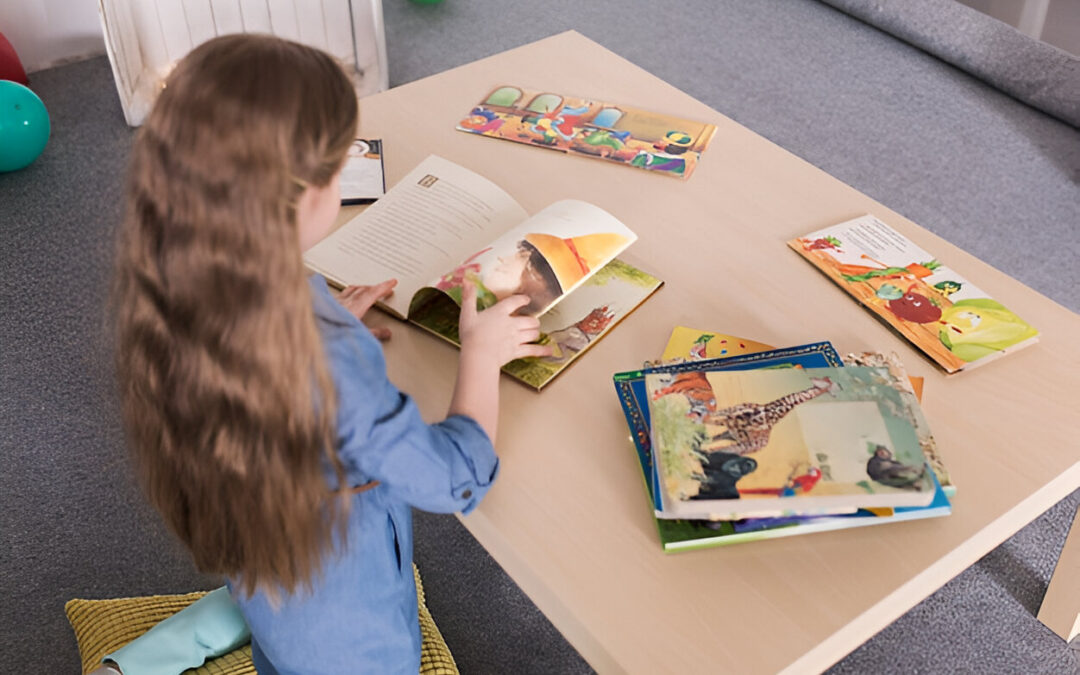
Finding the right books for preschoolers can feel like a bit of a puzzle. You want stories that hold their interest, match their growth stage, and help them learn without feeling like work. Books filled with rhythm, rhyme, and engaging visuals do exactly that. They’re fun to read out loud and easy for young ones to follow along, even before they start reading on their own.
Picking books that are right for their age makes a big difference. When a story matches where a child is in their development, it can keep them focused longer and build their confidence with language. That’s why choosing the best books for preschoolers isn’t just about picking a popular title. It’s about finding stories that match how they think, move, and process the world around them.
Understanding Age-Appropriate Books
Preschool books shouldn’t be treated like one-size-fits-all. Every stage of early childhood comes with unique changes in how kids hear language, respond to rhythm, and process visuals. Taking these things into account is a smart way to build a book collection that supports each young reader’s development.
For younger preschoolers, like ages two to three, books with short sentences, big pictures, and strong repetition work best. Their attention span is still growing, so stories that use rhythm to carry simple sentences keep them interested. At this stage, children enjoy repeating sounds and hearing the same words over and over. Rhyming patterns don’t just make books catchy, they help with memory and make it easier to recognize word structures down the road.
By ages four to five, many preschoolers begin identifying letters and making connections between sounds and print. Stories with longer lines of rhyme, slightly more complex vocabulary, and active storytelling become a better fit. While still rhythmic, these books begin to prepare kids for independent reading in a way that feels fun, not forced. Reading together becomes more than just storytime. It becomes a launching pad for language growth.
Key Features of the Best Books for Preschoolers
When pulling together a bookshelf that fits preschoolers, there are a few features you’ll want to look for. Here’s a breakdown of the most helpful elements:
– Engaging Illustrations: Bold, colorful visuals help children stay interested and understand what’s happening in the story. Images offer built-in context, especially for readers who are still learning vocabulary.
– Simple and Rhythmic Text: Rhyming patterns and rhythmic phrasing help kids remember what they hear. Repetition also adds structure and makes reading aloud more enjoyable for both the adult and the child.
– Interactive Elements: Books that have textures to touch, flaps to lift, or sounds to hear can help develop fine motor skills and keep busy hands engaged while listening. Just make sure these elements match the book’s age range.
Let’s say you pick a book with rhyming lines about animals in motion. Not only is the rhythm helping with comprehension, but if the page includes a textured patch of fur or a surprise flap with a hidden animal inside, the child is even more likely to stay focused and excited from page to page.
Top Book Picks by Age Group
When choosing the best books for preschoolers, think of age as your starting point. Each year in these early stages brings a wave of new skills and interests. Matching books to those stages makes reading a better fit, and it keeps the experience fresh rather than frustrating. Here’s an easy breakdown to help guide your book choices based on age.
For 2 to 3-year-olds:
– Look for board books with thick pages that hold up to rougher handling.
– Simple rhymes and repeating words help with language rhythm and memory.
– Themes like animals, everyday routines, and silly sounds work well.
For 4 to 5-year-olds:
– These kids are starting to connect spoken and written words.
– Books with longer rhyming phrases and simple plots with a clear beginning and end hold more interest.
– Add stories with playful questions or slight suspense to build excitement and support attention span.
Once you’ve chosen a book, try reading it with your child several times. You’ll probably find them starting to finish lines or chant the rhymes back, especially with rhythm-based stories. That repetition isn’t just fun, it builds confidence with sounds and patterns that lay the groundwork for reading fluency.
Creating a Read-Aloud Routine Kids Look Forward To
A good reading habit starts with the right atmosphere. When kids look forward to a reading session, they stay more engaged and open to learning patterns in language like rhyme and rhythm. Even 10 minutes a day makes a difference when it’s part of a fun, steady routine.
Here are a few ways to build and stick with a reading rhythm that works:
– Pick a consistent reading time. Right before lunch or bedtime often works best.
– Let kids help choose the book, especially if they’ve already heard it a dozen times. Familiar books are great for learning.
– Read with energy and vary your voice. Rhyming stories give you lots of chances to play with tone.
– Ask simple questions about rhymes like, “Can you guess what comes next?” or “What rhymes with cat?”
Creating a special reading corner makes a big difference, too. Add a small basket for books, a comfy pillow, and let your child decorate the space. Over time, this predictable reading spot becomes a comfort zone where stories come to life.
Dive into the World of Rhymes and Rhythm
There’s something about a good rhyme that sticks in our heads like a song. That same rhythmic pull helps preschoolers tune into the sound parts of language, a big step in learning to read smoothly later on. Books with rhyme and steady rhythm patterns help young children recognize syllables, notice word endings, and remember new vocabulary.
Rhyme also teaches anticipation. When a sentence builds to a final rhyming word, kids start to guess what it might be. That helps sharpen their attention and expand word knowledge. They aren’t just listening, they’re joining in.
Even children who aren’t reading on their own yet are making mental links with letters and sounds. When they hear rhyming lines again and again, they begin to catch on to how language flows. All of this happens while they’re simply enjoying a story and turning pages.
Rhythmic stories don’t need to be long or complex. In fact, it’s often the simplest books that do the most. When the lines bounce with a clear beat and end with predictable rhymes, they offer kids a playful but powerful tool for learning how language works.
Let the Rhythm Shape Daily Storytime
Rhyming books aren’t just fun to read. They’re shaped to fit how kids learn. Young readers thrive on repetition, sound play, and strong patterns in language. These features turn stories into tools that help children gain confidence and connect naturally with the joy of reading.
Whether you’re reading with a toddler or a kindergartener in the making, choosing books that match their age and stage keeps reading on track. When the story flows with rhyme and rhythm, you’ve got the kind of book that doesn’t just hold attention, it brings language to life.
Wrap up storytime with joy by exploring the best books for preschoolers. With rhythm and rhyme leading each page, children stay engaged and build strong language foundations. Start your reading adventure today with The Magical Adventure of Sadie and Seeds by browsing our best books for preschoolers, and bring playful learning into your daily routine.