
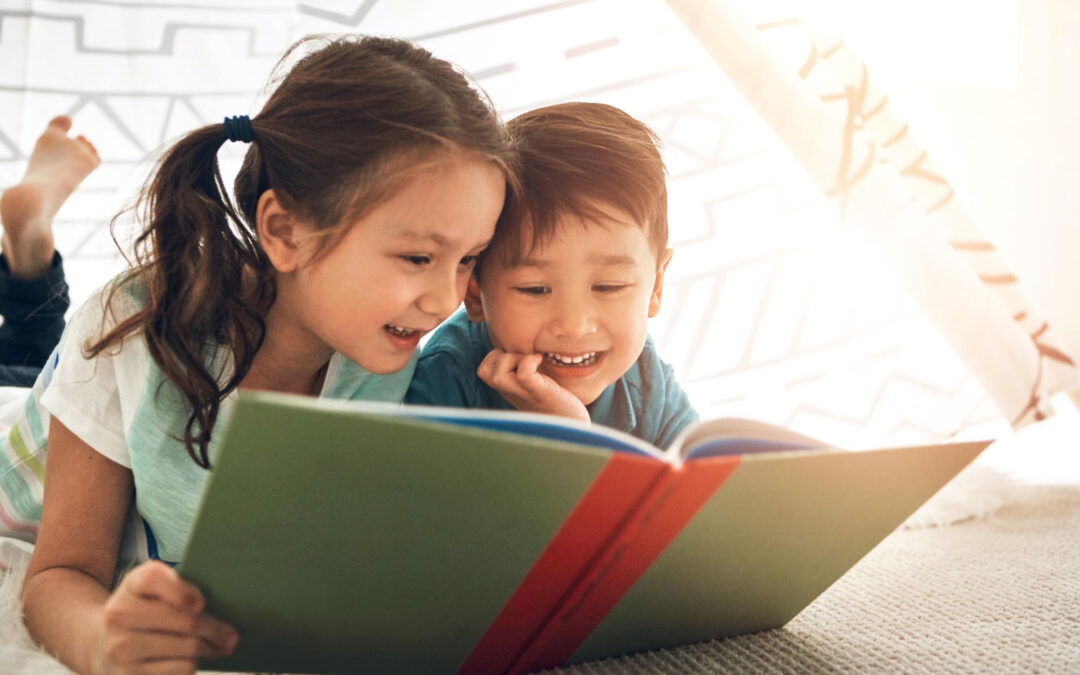
Young readers experience just as many emotions as adults do, even if they don’t always have the words to express them. Stories can act as a gentle guide, helping kids make sense of what they feel inside.
Through familiar plots and imaginative settings, books give kids a safe space to explore sadness, joy, confusion, anger, and everything in between. They may not always understand why they’re feeling a certain way, but a well-told story can show them they’re not the only ones.
Books designed for early readers often go beyond simple entertainment. Through rhythm, rhyme, and engaging narratives, they become tools to help children develop a stronger emotional vocabulary.
When young readers connect with a character who is frustrated, excited, or scared, they begin to recognize those same emotions in themselves. Stories with repeating phrases and patterns can also make this discovery process feel approachable and fun.
Understanding Emotions Through Stories
Children’s books can reflect the many feelings that kids experience every day. Even when the characters are animals or imaginary creatures, the situations they face often mirror what readers go through in their own lives—losing something important, making a mistake, or feeling left out. These scenarios allow children to see their emotions from the outside, giving them a fresh way to understand their responses to big and small moments.
When kids read about a character who feels something familiar, it helps them feel seen. That sense of connection opens the door to deeper understanding. Maybe a monkey in a story feels nervous about trying something new. Suddenly, the child realizes, “I feel that way sometimes, too.” This recognition can be powerful. Once kids know what an emotion is and can name it, they can begin to talk about it.
Stories don’t need to be overly complicated to serve this role. A simple plot with clear emotional cues can help kids make sense of new experiences or process confusing ones. The rhythm of storytelling, especially when paired with rhyme, makes emotions easier to follow and absorb. Kids are naturally drawn to repetition, which encourages participation and understanding.
As an example, if a story about a lost hat unfolds with a joyful rhythm and ends with a satisfying rhyme, the child absorbs both the experience of loss and the comfort of resolution. It invites questions and wondering, like “Have I ever felt that way? What did I do when I lost something?” That kind of engagement supports emotional growth in a way that’s both subtle and effective.
The Role Of Rhythm And Rhyme In Emotional Development
Rhyming stories often do more than entertain. They create patterns that comfort kids. The repeatable beats and playful rhymes keep kids engaged, while also helping them predict what will come next. That rhythm builds confidence in young readers, showing them that stories have a beginning, middle, and end. It adds a sense of structure, and for children figuring out big emotions, that structure can feel like a safe place.
When kids hear the same rhythmic phrases repeated throughout a story, it gives them time to absorb the language and emotional tone. If a character starts out upset but becomes calm by the end, the language shift that happens alongside the rhyme reinforces that journey. Kids can feel the transition just as much as they see it.
Here are a few reasons rhyme connects so well with emotional understanding:
1. Rhythmic patterns help maintain attention and reduce distractions
2. Repetition of certain phrases can help children remember how a character felt and responded
3. The musical quality of rhyme supports relaxation during emotionally heavy moments
4. Predictable endings in rhyming lines give a sense of closure and safety
Rhyming books often play with sound and pacing, which helps kids follow emotional highs and lows. Short, punchy lines might reflect an excited or rushed moment. Slower, softer rhymes may match a calm or thoughtful event. This connection between language and feeling gives kids another way to experience emotions, just by listening.
Done right, rhyme strengthens retention. More importantly, it gives young readers the consistency they crave when learning about feelings. It packages emotional lessons in a format that’s easy to understand, repeat, and enjoy.
Practical Tips For Parents And Educators
Rhyming books can become more than stories. They can serve as tools for helping kids understand and talk about feelings. To get the most out of the experience, how you choose and read those books matters.
Here are a few simple ways to make reading time more emotionally meaningful:
1. Look for natural rhythm
Choose books that flow with a clear beat from page to page. When the rhythm is steady and easy to follow, kids tend to relax and focus more. Books with strong rhymes also make it easier for children to join in while reading.
2. Choose stories that match mood variety
Pick books with emotional variety across pages, or even within a single rhyme. Stories that move from silly to calm or energetic to thoughtful help kids understand emotional shifts.
3. Repeat favorite books
Repetition helps kids recognize patterns in sounds and feelings. Reading the same story multiple times allows them to pick up on different emotional cues and language each time.
4. Ask open-ended questions during reading
After reading a rhythmic section, pause and ask, “How do you think the character feels now?” or “Does that remind you of anything?” A calm, conversational tone invites kids to share without pressure.
5. Use your voice to mirror emotions
Change your tone to reflect what’s happening emotionally in the text. Slow down during sad parts. Pick up speed during exciting sections. This makes the rhythm more meaningful and helps kids feel the shift.
When the rhythm matches the emotional flow of a story, kids stay more present and involved. Even small changes in pace or word play can encourage them to ask questions or share how they relate to what they’re hearing.
Creating A Cherished Routine
When reading becomes a routine instead of just an activity, it can provide emotional comfort. Many kids enjoy the familiar rhythm of a favorite rhyme before bed or after a long day. That steady rhythm—both in schedule and story—can feel like home, especially during periods of change or uncertainty.
Routines also allow kids to build long-term connections with the characters, themes, and emotions in a story. A repeating pattern from a book can begin to shape patterns in a child’s day. Predictable elements create trust and support better learning. A single rhyming line that appears more than once in a story might become something a child remembers and repeats as reassurance.
Setting aside ten to fifteen minutes each day for reading can build a powerful emotional touchpoint. Over time, those minutes create more than a reading habit—they become a time for dependable connection. Rhyming books bring rhythm into that space, making it something a child can hold onto.
One family might read aloud after dinner every night. A familiar story can help bring the day to a close with the same rhythm, the same words, and the same feeling. That shared tradition becomes something both children and adults look forward to. The steady beat of a rhyming book can be a lasting emotional anchor.
Why Rhyming Stories Matter More Than You Think
Books that use rhythm and rhyme do more than tell stories. They help growing minds make sense of their feelings. The flow of rhyme shows how emotions shift and settle, how they rise and quiet down. When stories deliver those changes in rhythm, kids feel more at ease navigating their own inner world.
These stories offer structure and playfulness at the same time. They build a bridge between imagination and lived experience. Through repetition and rhythm, books become easier to remember—and so do the emotional takeaways hidden inside.
When adults make space for these kinds of stories in a child’s routine, they create low-pressure ways to talk about all kinds of feelings, even hard or confusing ones. That calm space matters. With stories built on sound and pattern, young readers grow their emotional vocabulary and comfort level without even realizing it.
And most days, they’ll enjoy every moment of it. Invite your little ones to explore the world of emotions through engaging tales crafted by The Magical Adventure of Sadie and Seeds. Our collection of the best kids’ storybooks uses rhyme and rhythm to gently guide children in understanding their feelings. Join us in creating a joyful reading experience that supports emotional growth and builds lasting language skills.One magical adventure at a time.