
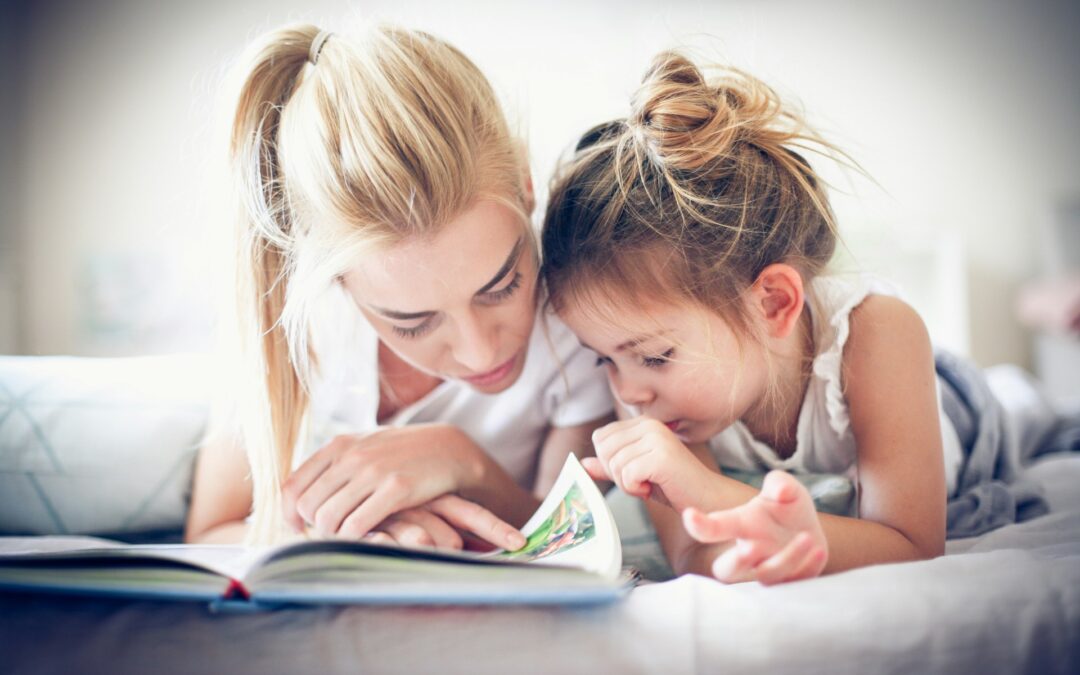
Reading is one of the first steps in helping kids grow their thinking skills, and picture books play a huge role in that. These books aren’t just for fun, they help young readers build strong reading habits from the very beginning. With eye-catching illustrations and easy-to-follow language, picture books offer a smooth way for kids to connect with stories and words. When a story flows well, and the words dance across the page in rhythm, it’s easier for young readers to stay interested and follow along.
Stories that are built on rhyme and rhythm can leave a lasting impression. That beat and predictability work together to create not just fun moments but strong reading memories too. These stories give early readers a path they can easily walk down, one sound and one page at a time. The more connected they feel to the patterns and sounds, the more likely they’ll come back again, and that’s where a solid reading habit starts.
The Role Of Picture Books In Early Childhood Development
Picture books hold a unique place in helping young readers connect to stories. Bright visuals give clues to what’s happening, helping kids guess what the words might say. They don’t need to read the entire sentence yet to get the idea. The pictures give them confidence while they explore how reading works. That’s part of what makes these books helpful early on—they support a reader who’s still learning.
For example, a storybook that follows a small creature on a journey can give a young reader a simple roadmap. The colors show moods, the pages flow left to right, and the storyline builds like steps on a staircase. Each piece does a small job to help young readers understand what reading truly means. They can start to hear the rhythm in how the story is told. If that storytelling is packed with rhyme and flow, the learning becomes even smoother.
Picture books also spark curiosity, which is rarely loud but always active. When that curiosity comes alive, kids look a little closer, listen more carefully, and feel encouraged to keep turning the pages.
The Magic Of Rhythm And Rhyme
Rhythm and rhyme are where things really begin to click. A sentence that flows with bounce makes it easier for kids to track sounds. They don’t have to worry about tackling long words or tricky grammar. The sound gives them a path to follow, which builds focus and memory.
When a rhyme repeats or keeps a steady beat, a child is more likely to remember the words and return to the book for another read. It becomes a fun challenge to guess the next word or sentence, and that brings confidence.
There’s something both comforting and exciting about predictability in rhyme. Kids start to notice that a certain word is coming because it sounds like the last one. This gives them control. That control builds confidence, and confidence builds a reading habit.
Here’s what makes rhythmic stories especially engaging:
– The flow gives natural breaks, making the pace easier to follow
– Repeating sounds and rhyme help with word recall
– The lyrical sound keeps the reader interested
– Hearing stories told with rhythm trains the ear to recognize speech patterns
– Rhymes help young readers take bigger reading risks because the next word becomes easier to guess
This kind of storytelling isn’t just about sounding fun. It’s about helping young readers listen for cues and develop the rhythm in their own speech too. When stories combine simple ideas with musical language, they build both memory and joy, two big steps on the road to reading skill.
Cognitive Benefits Of Early Reading
Rhyming picture books bless young readers with much more than fun. They help stretch the brain in ways that will matter long after the preschool years. Kids who read these types of books early begin to pick up on language patterns, sentence flow, and story structure. All of that builds up their mental toolbox without them even realizing it.
The rhythm connects the sound of words with meaning, and that sticks. It’s easier to understand vocabulary when the words feel like they fit into a musical beat. The brain catches on quicker, especially when a child hears the same sentence more than once.
When stories are easy to follow and filled with rhymes, kids are more likely to go back to them. They’ll want to read those books again and again, and each time they do, they pick up something new. Whether it’s the shape of a letter, the meaning of a word, or the way a sentence flows when spoken aloud, that repetition becomes real learning.
Here’s how this shows up during early reading:
– Improved focus: Rhythmic repetition keeps attention on the page
– Stronger vocabulary: Rhymes introduce new words in a friendly way
– Better sentence structure awareness: Hearing well-formed sentences teaches how stories are built
– Problem-solving practice: Stories bring readers through a beginning, middle, and end. That teaches order and logic
Bit by bit, this helps kids develop early memory, language expression, and prediction skills. Because it doesn’t feel like hard work, they stay open to learning. They don’t see reading as something they have to do. They see it as something they want to do.
Selecting The Best Picture Books
The goal isn’t just reading. It’s wanting to read again. That’s where smart book picks come in. Choosing the right kinds of picture books can make early reading fun, not forced. A good mix of rhythm, color, and flow invites kids to follow along, say words out loud, and build trust in their reading choices.
When looking for engaging picture books, check for these things:
1. Bright and bold illustrations: The images should be clear and expressive, helping kids guess the story when words are still tricky
2. Fresh and simple rhyme schemes: Stories should flow naturally, not feel forced or clunky. A good rhyme adds energy to the words
3. Relatable adventures: Even fantasy stories work better when they connect to things kids might understand, like exploring, wondering, or discovering something new
4. Predictable but not boring: Kids enjoy guessing what comes next, but they still like a few surprises
5. Word play: Clever use of language and sound makes reading fun and boosts listening skills
The best books are easy to spot once you know what to look for. After a child reads a rhyming book, they should feel like they’ve gone on a ride worth taking again. If they smile and ask to read it once more, that’s a strong sign you’ve found something great.
Unlock Your Child’s Potential Through Reading
Rhyming picture books do more than just add color to a shelf. They build real skills in a gentle and joyful way. With every rhymed sentence or guessed word, kids are learning—even when it just feels like another great story.
The simple rhythm offers something steady to hold onto, while the story pulls them into something new. The more they enjoy that kind of reading time, the more likely they are to keep reading without being pushed. When early reading feels fun, curiosity grows, focus strengthens, and the steps toward learning come easier.
These small moments have a big impact. They can shape how a child sees books now and well into the future. When the right books are within reach, reading becomes part of their rhythm too.
Unlock your child’s potential with the vibrancy of rhythmic storytelling through The Magical Adventure of Sadie and Seeds. Dive into a world of rhymes and rhythms that are perfect for young minds with our collection of the best preschool picture books. These playful tales, combined with vivid illustrations, ignite imagination and lay the groundwork for a lifelong reading habit. Start their magical journey today with stories that sing and inspire at every turn of the page.