
Story time is more than just a quiet moment shared over a book. It’s a chance to create a rhythm-based learning space that feels just as fun as it is helpful. When books are packed with rhymes and patterns, kids naturally tune in and stay connected. They don’t even realize they’re learning because the rhythms keep things moving and the rhymes make every page feel like a tune waiting to be sung.
That’s how fun learning through books works. You’re not just entertaining them. You’re helping them build memory, stretch their vocabulary, and grow confident in language. The magic happens when rhythm and rhyme blend so smoothly that reading time becomes both joyful and productive. With the right stories, parents can turn simple read-alouds into tools that keep growing minds engaged and curious.
Making Story Time Interactive
If your goal is to keep young minds from wandering halfway through a story, then getting them involved is the best move. Reading isn’t a passive activity. It can be full of back-and-forth play that invites listening, thinking, and predicting.
Here’s how to make your story time more interactive:
– Ask questions throughout the book. Instead of simply reading the lines, pause and ask, “What do you think rhymes with this word?” or “What comes next?”
– Use sound effects. Add happy noises, stomps, or silly character voicing to keep the energy up.
– Take turns. Allow your child to say lines they remember or guess rhyming patterns. This helps them take part more actively.
– Add movement. Encourage them to clap or bounce when a pattern repeats. It keeps rhythm in motion and helps them feel the pacing.
– Bring props into the mix. If a story mentions something easy to find at home, grab it and involve it during the read.
One example could be a book where a dog runs through different locations. Let your child make the bark sounds, tap for running feet, or even act out scenes. This creates a multi-sense learning environment where language blends with action.
When reading turns into participation, kids feel like part of the story. That’s when the magic really kicks in and the rhythm of fun learning through books becomes a shared experience.
Benefits of Rhythmic and Rhyming Stories
Rhythm and rhyme do more than make books sound nice. They make it easier for young readers to follow patterns, anticipate what’s coming, and remember lines. When the words have a beat, the brain has an easier time holding onto them.
Rhyme builds up recognition. When kids hear a word rhyme with something they already know, it strengthens their connection to both words. They’re not just remembering the sound but how it’s used and where it fits in a sentence. Rhythm brings structure to that learning. It anchors the pacing and makes the story easier to follow line by line.
Books with steady rhyme schemes often help with:
– Memory recall by making phrases easier to repeat
– Building early understanding of sentence rhythm
– Sound-letter mapping as they notice what words look like versus how they sound
For example, a story with a line like “The pup ran fast past the tall green grass” has a rolling rhythm with soft rhymes. Over time, it teaches phrasing while keeping attention locked in. Stories like these create a layered learning effect. Readers begin to recognize rhyming word families, how language flows, and how parts of sentences piece together.
That’s the beauty of rhyme and rhythm. They carry the story, support comprehension, and make learning feel like play. When every page moves to a beat and every verse feels familiar, readers are more willing to listen, read, and repeat again and again.
Creating a Cozy Reading Environment
A good storytime doesn’t always come down to the book. Sometimes, it starts with the setting. Creating a quiet, inviting space that feels separate from the rest of the day can make a difference in how reading is received. It tells young minds it’s time to slow down, get comfortable, and focus their attention.
Choose a consistent spot in your home that feels calm. A corner of the living room with a small bookshelf and a soft blanket adds a sense of routine and ease. Lighting matters too. Natural light during the day or a warm lamp at night keeps a cozy glow without being too bright or distracting. Pick a space where the volume is low and interruptions are minimal.
A cozy reading environment also helps set the tone for rhythm and rhyme. When kids are comfortable and focused, they’re more tuned in to the sound patterns and flow of language. Rhyming books become almost like spoken lullabies, especially when shared in a warm, quiet space. This setting helps build a positive association with reading, which can grow into a lifelong habit.
You don’t need to overthink it. Just a few small changes can help build a reading tradition that’s natural and stress-free. A comfy pillow, a special reading buddy like a plush toy, and a few favorite books at arm’s reach can go a long way.
Supporting Fun Learning Through Books
Books with rhythm and rhyme can open new doors to learning in playful ways. You’re still reading the story, but the patterns give room to discover more beyond the page. Every rhyme can lead to a question. Every repeated beat can invite a drawing, a movement, or a song.
Here are a few ways to stretch the story beyond reading time:
– Draw a silly scene based on something that rhymed. If the story rhymes “cat” with “hat,” let your child draw all the animals in hats.
– Act out a line from the story using body motion or props found around the house.
– Create a mini book with your own rhymes using blank paper and crayons. Keep it simple and follow the rhythm of the story you read together.
– Clap or tap out the rhythm of a page to reinforce sentence flow.
– Pick a favorite rhyming pair and brainstorm all the words that can rhyme with each one.
The goal isn’t to follow a strict lesson but to enjoy the flow of learning. When a child plays with language, they begin to understand how it works. And when they do that while having fun, their curiosity builds naturally. It becomes less about trying to teach something and more about playing with words in new ways.
Over time, reading encourages creative play, and the rhymes give structure to that play. That’s how books help children discover more than a story. They explore sounds, build confidence, and feel a sense of achievement in each small interaction.
Rhythm and Rhyme: The Heart of Our Stories
Rhyme and rhythm stick with young readers because they help make language feel familiar and fun. There’s something about the way stories move when they’re built with consistent patterns that makes them easier to follow and remember. When those beats and rhymes start blending into everyday language, reading stops feeling like work. It becomes part of how kids think and play.
It’s not just helpful. It’s enjoyable. The repetition that comes through rhyme helps cement new words, while rhythm supports attention and flow. These are the same qualities that make songs easier to memorize than plain text. Storybooks that lean into that concept can give young readers the framework to listen better, predict what comes next, and join in without needing coaching.
Whether it’s during a bedtime story or part of a midday reading break, rhythm and rhyme offer a chance to slow things down and connect over language. It’s a reminder that learning doesn’t need to feel forced. When done right, it comes naturally, especially when the books build that rhythm right into every page.
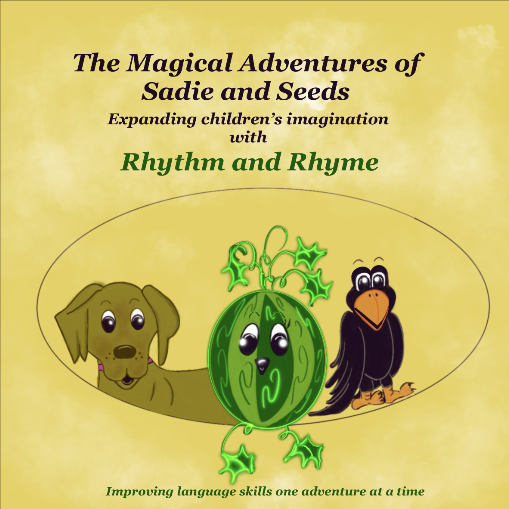
Transform storytime into a magical, educational adventure with The Magical Adventure of Sadie and Seeds. Discover how our collection of the best kids’ storybooks uses rhythm and rhyme to captivate young minds and make learning fun. Explore stories that encourage interaction and creative play, designed to enhance vocabulary and build confidence. Embark on a reading journey where every page becomes an opportunity for joyful discovery. One magical adventure at a time.