
Reading time can be one of the most rewarding parts of the day. It’s a quiet moment to slow down, spark the imagination, and share stories that stick with us. But for many families, it can sometimes feel like a chore.
When attention spans drift or the story doesn’t hold interest, it gets harder to build that lasting reading habit. Making reading time more enjoyable doesn’t take grand gestures. It just takes a few thoughtful changes that bring joy and ease into the routine.
One of the easiest ways to keep young readers interested is by adding rhythm and rhyme to their story time. These elements make books more playful and help train the ear for language through patterns and sound.
A well-written rhyming adventure can do more than hold attention. It can help in fostering a love for reading that stays with them over time. Whether through the bounce in a rhyme or the beat of the words, stories that sing can help turn reading from a task into a treat.
Create a Comfortable Reading Environment
Where you read matters just as much as what you read. A calm, cozy space helps create a routine that feels like a treat instead of a task. When the setting is too noisy or full of distractions, even the most exciting stories can lose their magic. A simple setup can go a long way when reading becomes part of a predictable and cozy routine.
Here are a few ideas to help set the scene:
– Pick a quiet spot away from the TV and other electronics.
– Use soft lighting, like a small lamp, to give the area a warm feel.
– Include soft items like pillows, blankets, or a beanbag chair.
– Keep the reading area tidy and only have books nearby to limit distractions.
– Add a small shelf or basket nearby so they can pick books easily.
Even one dedicated corner in the living room or bedroom can become the place they look forward to during the day. When you make space for reading, you’re making space for connection, curiosity, and growth.
It helps your young reader feel calm and ready to enjoy stories without the stress of a loud or overstimulating room. A cozy space says this matters. And when reading feels like a comfort, they’ll want to keep coming back for more.
Choose Engaging and Rhythmic Books
It’s hard to stay focused on a story that doesn’t hold your interest, and that’s especially true for young readers. Stories that use rhyme and rhythm keep things moving. Every page offers a beat that builds excitement, helping readers stay tuned in and wanting more. Books with well-paced rhymes guide the ear and make the experience feel more like a song than a reading lesson.
Rhyming stories also improve memory through repetition of sound, helping young minds link ideas and words as they follow along. They offer a predictable flow that makes it easier to guess what comes next, giving a sense of accomplishment when readers start to pick up the patterns. When they feel that rhythm click, it builds confidence in reading.
Look for books where the rhyme flows naturally and plays with sound in fresh ways. For example, stories with adventurous plots and rhyming dialogue can add excitement on every page. These narratives not only entertain but also build listening skills and attention.
One strong choice is a series where the rhymes are part of the adventure, not just filling space. That rhythmic storytelling turns every page into a playful learning moment and gives young readers something to look forward to night after night.
Make Reading Interactive
Adding a little playfulness to reading can turn passive listening into active engagement. When reading time becomes a shared performance instead of just story consumption, kids start leaning into the experience more. One of the simplest ways to do this is by changing your voice for different characters. Whether it’s a growl, squeak, or exaggerated whisper, unique voices help kids visualize characters and give the story color and texture.
Rhyming stories especially lend themselves to read-aloud fun. The rhythm sets a natural pace, while repeated sounds give you room to play. You can pause before the final word in a rhyming couplet and let your listener fill in the blank. This keeps them engaged, strengthens their ability to anticipate, and turns rhyme time into a puzzle they want to solve.
In between pages, take time to ask simple questions like:
– What do you think will happen next?
– Did that part surprise you?
– How do you think the words sound different from other stories?
This kind of back-and-forth helps readers think about patterns, word choices, and rhythm, making the book feel less like a lecture and more like a two-way adventure. Rhymes naturally lend themselves to interaction, and the joy in responding to familiar patterns keeps attention steady until the very last page.
Incorporate Reading into a Daily Routine
One of the most consistent ways to make reading enjoyable is to build it into the flow of your day. Kids thrive on rhythm in their schedules, and a steady reading time becomes something they start to expect and even look forward to. Whether that’s right before bedtime or just after lunch, predictable reading slots help foster a calm and attentive reading mood.
Consistency doesn’t mean rigidity. Life is busy, but even 10 minutes carved out regularly can impact how much kids connect with stories. Rhyming books work especially well as their own kind of routine. The rhythm in the language pairs nicely with a routine in the day, like brushing teeth before storytime. It creates a cadence that mirrors the content.
Try anchoring reading time to existing parts of the day. Some parents make rhyming stories the very last activity before lights out, which helps kids unwind while keeping their minds gently focused. Others read right when they get home, a nice way to decompress before screens or homework come into play.
The goal isn’t getting through the book. It’s creating a doorway into stories they want to come back to again and again.
Let Them Choose and Explore
Giving kids some say in what they read helps them feel more involved, and that sense of ownership brings buy-in. Even if you stick with rhythmic and rhyming books, there are plenty of ways to bring in fresh energy just by switching formats or themes.
Rotate books regularly and keep a small set out for choosing. Try different types of rhythms, too. Some books move fast with short bursts of sound, while others have longer, smoother rhymes that invite a slower pace. This variation keeps things interesting and also helps kids become more flexible readers and listeners.
You can set up a weekly book pick day, where your reader gets to add one story to the pile that week. When they feel like their voice matters in the reading lineup, they’re more focused and open during the story. Some may like books that bounce and zip, some may prefer ones that carry them along gently. Both are valid, and both build skills in listening and sound recognition.
Keep a small rotating collection visible. The more often they see and interact with books, the more likely reading becomes an active part of their daily world.
Add Playful Activities That Match the Story
Rhyming stories naturally spark ideas for play. Acting out scenes, drawing characters, or even clapping along to a repeating rhythm can stretch the story past the final page. These activities add depth and keep a story lingering in their mind long after reading time ends.
Here’s one example: after reading a story where characters bounce from one place to another in rhyme, grab some paper and markers. Ask your child what they think the next scene would look like if the story kept going. You can doodle it out together and maybe even try to write your own rhyming lines for that new scene.
A few other fun options:
– Use rhythm instruments or claps to follow along with syllables in the book.
– Turn a key phrase from the story into a chant or rhyme to use throughout the day.
– Re-enact a scene using simple props from around the house.
Simple follow-ups like these make the stories feel alive. They also reinforce sound recognition, pacing, and tone in a way that doesn’t feel like schoolwork.
Celebrate the Rhythm of Story Adventures
Books with rhyme and rhythm open the door to a more joyful and layered reading experience. You’re not just sharing words on a page. You’re offering sound, tempo, and pattern that supports language growth while keeping the story entertaining. Rhythmic storytelling takes what might feel like a quiet reading session and turns it into an experience full of movement and flow.
As young readers begin to expect that bounce or rhyme on each page, they start listening closer. They catch the repeated patterns. They think about what comes next. That mix of fun and focus deepens their interest and strengthens the foundation that will help them grow as confident readers.
Ignite the Joy of Reading
The more enjoyable reading becomes early on, the more likely it is to stick long term. Rhyming stories help build that bridge by giving kids predictable patterns, playful phrasing, and the satisfaction of anticipating the next word. When the process feels rewarding, kids actively want to come back to it.
By designing an environment that feels calm, picking books that keep them engaged, and adding small interactive moments along the way, you’re making reading time about connection, not boxes to check. Rhymes work like invisible threads. They connect the reader to the rhythm of language and help them feel like they’ve stepped into something special.
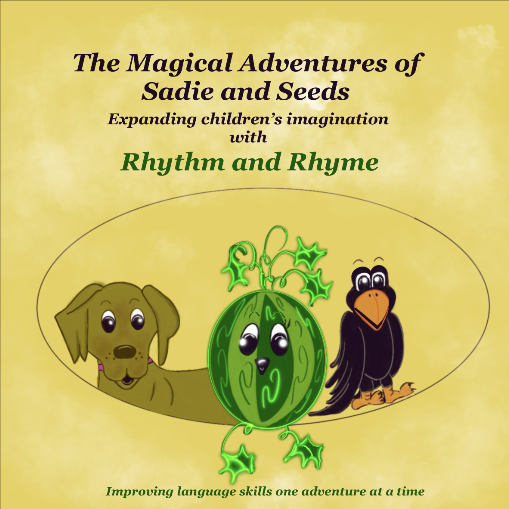
Help your child embrace the joy of reading with the enchanting, rhythmic tales from The Magical Adventure of Sadie and Seeds. Discover our collection of the best kids’ storybooks that captivate young imaginations and transform reading time into a joyous adventure. Let the playful melodies and engaging stories turn each reading session into a special moment, sparking creativity and a lifelong love for books. One magical adventure at a time