
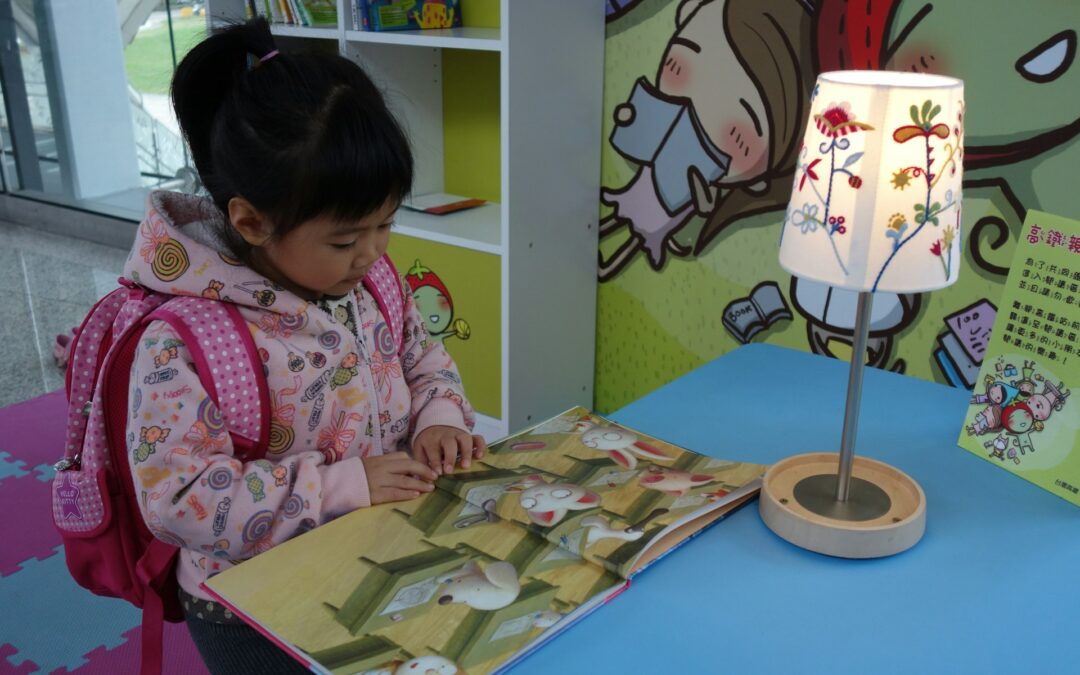
Reading to preschoolers isn’t just a way to pass the time. It’s one of the best ways to help build early language skills. But picking the right picture books isn’t always as easy as it sounds. Some stories fly right over their heads, while others don’t hold their attention for more than a few minutes. Matching books to a child’s reading level can make a big difference in how much they enjoy and understand the story.
Rhyming picture books are especially helpful during this stage. The rhythm and patterned sounds aren’t just fun to hear. They help young listeners pick up on language structure. When a child can follow along with rhymes or even guess a word before it’s read, they feel involved. Over time, that connection makes reading feel exciting instead of something to avoid.
Understanding Reading Levels in Preschoolers
Preschoolers grow at their own pace, and the same is true for how they pick up reading. Some kids love flipping through books on their own, while others prefer to be read to or interact with the images and sounds. There’s no need to assign a reading grade or level. The focus should be on how your child reacts to a story.
Ask yourself:
– Can they sit through the entire book?
– Do they repeat parts they’ve heard before?
– Are they trying to “read” the story using memory or pictures?
Here are a few ways to tell if a picture book fits your preschooler’s level:
– The book holds their attention across most pages
– They ask to hear it several times
– They try to fill in rhyming words or repeated parts
– They enjoy describing the pictures
– The text has short sentences that they can follow
Choosing the right match helps avoid frustration. Books that are too complex may confuse or bore young readers. On the other hand, if they only hear stories that are too simple, they may not challenge themselves. Striking a balance helps grow their reading habits at the right pace.
When you pick a book that fits your child’s abilities, reading becomes something they enjoy doing. And once they enjoy it, they’re already building the skills they’ll need later on.
Characteristics of the Best Picture Books for Preschool
The best picture books for preschool follow a few important patterns. At this age, simplicity really matters. That doesn’t mean the stories have to be boring, but the structure should be clear and the language should be familiar and repetitive enough to build confidence.
Look for books with:
– Clear and colorful pictures that link closely with the storyline
– Rhymes that create a smooth, musical feel
– Short sentences that are easy to read aloud
– Creative or imaginative topics that keep a child curious
– Predictable storylines that help them participate
Reading with rhythm makes it easier for children to stay connected to the words. Rhymes and repeated phrases stick with them. Think of how quickly little ones learn the lyrics to their favorite song. Rhyming books work the same way. The steady beat and familiar echoes help kids hear language in chunks that make sense.
For example, some books end each page with a rhyming word. After reading it a few times, many preschoolers start to say the final word before the adult does. That kind of active reading helps them feel confident. When reading feels like something they can be part of, instead of something done for them, it starts to feel exciting.
How to Choose Picture Books Based on Reading Abilities
Once you have a sense of where your child is in their reading, the next step is picking books that match that level. A good book at the right level will hold their focus, make them feel successful, and gently push them to learn more.
Before choosing a book, take a moment to consider:
– Does the book have rhymes or repeated phrases?
– Are the sentences short and spoken easily?
– Do they predict or finish repeated lines?
– Are the pictures easy for them to follow?
– Does the story have a steady beginning, middle, and end?
A great way to check is by reading a bit aloud to them. If they lean in or guess a rhyme halfway through the page, the story is likely a great fit. If they seem confused or bored before you finish, it might be too complex. If a story is far too easy, they may lose interest quickly. But a slightly more advanced story can still work if it grabs their attention and has a rhythm they follow.
Picture a book where a dog climbs a hill, and each page rhymes with the word “hill.” Before long, your child might start calling out “will,” “still,” or “spill” even before you get there. That type of back-and-forth reading builds word knowledge in a fun, playful way that doesn’t feel like homework.
Making Reading a Fun and Enjoyable Experience
Reading together isn’t just about getting through the story. It’s about sharing something fun and watching your child light up when they understand what’s happening or chime in at the perfect time. Rhyming books can turn quiet story time into a playful activity full of energy and laughter.
Try these easy ways to boost the fun:
– Read with voices, rhythms, or actions that match the story
– Pause before a key rhyme and ask them to guess the next word
– Add fun sounds or repeat parts with excited voices
– Talk about what’s going on in the pictures
– Let them pick the book or even which page to start on
Even if they want the same book every night, reading it again is part of their growth. Familiar rhymes help kids notice how words fit together. Repeating a favorite story boosts their memory, vocabulary, and ability to follow the order of a story. When they get involved, even a repeat story can feel brand new.
The connection between a reader and a story is what really builds joy in reading. Rhyming books tap into that by making kids feel like they can join in—and the more they join in, the more they read.
Helping Your Child Grow with Every Story
When you choose picture books that match your preschooler’s reading level, you’re doing more than just picking a book. You’re giving them a rhythm they can follow, phrases they can repeat, and story patterns they begin to expect. All that makes reading feel friendly and doable.
The wrong kind of book—too tricky or too easy—can pull them away from reading. But if a story feels like it’s made just for where they are in their learning, kids build the habit of reading with confidence.
Make a habit of going through your bookshelf every couple of months. As your child grows, their reading patterns will shift. Their vocabulary, focus, and excitement for new stories will grow, too. Keeping the rhythm and rhyme in their reading choices will help that excitement stay strong.
And when the joy of reading comes early, it tends to stay for good.
If you’re looking to spark your child’s interest in reading through stories that flow with rhythm and rhyme, explore the best picture books for preschool at The Magical Adventure of Sadie and Seeds for a fun and engaging literary experience. One magical adventure at a time.