
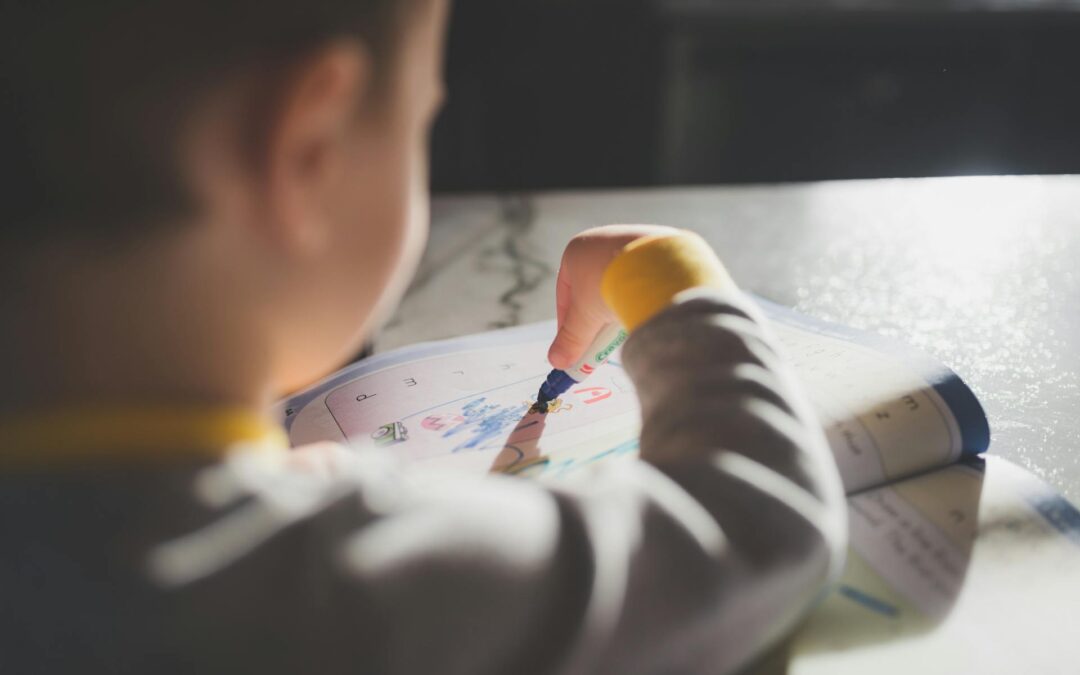
Learning during the preschool years isn’t just about letters and numbers. It’s also about discovering how to use different activities to build thinking, language, and motor skills. Drawing is one easy and fun way to support these early stages, especially when paired with a good story. When kids draw, it helps lock in new ideas and keeps their hands and minds busy at the same time. That connection can make a huge difference in how they understand what they’re reading or hearing and how well they remember it later.
Combining drawing with reading doesn’t have to be complicated. It can be as simple as giving a child a crayon and asking them to draw a scene from the story. This small step turns reading into an active experience instead of a passive one. The rhythm in rhyming stories makes that experience even more enjoyable. The patterns in rhyme naturally pull kids in and encourage them to visualize what’s happening. Bringing those images to life through drawing only strengthens that process.
The Connection Between Reading and Drawing
When children listen to or read a story, their brains start building pictures from the words they hear. Adding drawing into that process gives those mental pictures a place to land. By sketching out the scenes, characters, or even just favorite moments, kids are linking the story to a concrete action. That link encourages memory and builds language skills through the act of storytelling, both on the page and with their crayons.
Drawing also builds sensory awareness. They’re using touch, sight, and sound all at once. For example, reading a rhyming story about a windy day can spark a drawing with swirling lines representing wind or leaves blowing in circles. This action supports sensory pathways while reinforcing key story elements. The rhythm of the words and the motion of drawing work together. The rhyme keeps the mind engaged, while the drawing lets that engagement show up on the page.
When kids get the chance to draw while listening to stories, they aren’t just messing around with crayons. They’re taking in big ideas in small ways. They’re working on connecting language to pictures, building early comprehension skills, and stretching their ability to retell stories in new forms. That kind of foundation often leads to stronger reading habits down the line.
How Drawing Encourages Creativity and Imagination
Reading paints a picture in the mind, but drawing lets that picture grow even bigger. When children draw something from a story, they often build on it. Maybe they imagine what comes next or add new colors and shapes the story didn’t mention. This kind of freedom turns reading into a starting point for creative thinking.
Drawing encourages them to explore what they think a place or character might truly look like. One child might draw a wiggly, polka-dotted dragon from a rhyming poem, even if none was mentioned. Another might add a moon with a smiling face setting over a rhyming train ride through a forest. That openness builds confidence in their ideas and gives them tools for expressing those ideas clearly.
Here are a few ways drawing boosts imagination while reading:
1. Builds confidence in personal interpretation of stories
2. Encourages children to create new storylines or endings
3. Supports abstract thinking by connecting images with ideas
4. Offers a safe and enjoyable outlet for self-expression
Rhyming stories are especially helpful for promoting creativity through repetition and predictable patterns. When the story bounces and flows with rhyme, it becomes easier for young readers to follow along and anticipate what comes next. That leaves more room in their minds to imagine beyond what’s written. Drawing fits in naturally. It takes the steady rhythm and turns it into a personal, visual expansion of the story.
Boosting Fine Motor Skills With Rhythmic Storytelling
Drawing while reading doesn’t just help with language. It gives small hands serious practice too. Fine motor skills are built through small, repetitive motions. When kids hold crayons, trace shapes, or add details to a picture, they’re developing control in their hands and fingers that supports everything from writing letters to buttoning a coat. It’s more than play. It’s practice for everyday life.
Rhythmic storytelling naturally supports this kind of practice. The steady beat of rhymes gives children a structure to follow, making the shift from listening to drawing much easier. They often know what’s coming next, and that helps them plan their drawings step by step. A poem about a frog in the fog might inspire bumpy clouds, little frog feet, and wavy water. These small details give children the chance to exercise both focus and hand control.
The way rhythm connects to action is what makes this mix so helpful. Listening to verses filled with bounces, beats, and repeating sounds keeps a young mind moving along with the story. That motion spills over to the page. Drawing becomes not just a creative outlet but a physical one too. It keeps the body and brain working together, which is just right for building early coordination.
Stories with rhyme tend to repeat sounds and words, and that repetition encourages kids to draw those words again and again. Think of a line that says, “The red bug hugs the brown rug.” Kids might draw a little red bug and then copy it across the page. Each drawing smooths out that hand motion just a bit more. Even basic shapes drawn with care lead to steadier writing later. And when the story is told in a sing-song voice, it feels more like a playful habit than a learning task.
Practical Tips for Reading and Drawing at Home
Setting up hands-on reading time at home doesn’t need to be fancy. Kids get the biggest boost just from repeating the pattern: read, then draw, read, then draw. When the book flows with rhyme, even better. It gives parents a natural beat to follow and builds a reliable storytime routine.
Here are a few ways to make the most of this combo:
1. Keep crayons and drawing paper nearby whenever you read together. This invites kids to draw as soon as something catches their attention.
2. Choose rhyming stories built around scenes or characters that are easy to picture. Settings like a house, forest, or train ride help children focus on shapes and ideas they already know.
3. Take short pauses after a few lines of rhyme to talk about what happened. If a duck in boots appears or a cat purrs in rhyme, stop and suggest drawing it before moving on.
4. Use a coloring book for preschool readers that mixes structured coloring with blank pages for drawing their own story ideas. Books about animals, shapes, or simple scenes work well with rhyming stories.
5. Let your child lead sometimes. After a rhyming story, ask what part they’d like to draw. Their drawing might turn the story in a fun new direction.
The goal isn’t to create something perfect. It’s about making space for joy and quiet focus. When drawing happens alongside rhyme, kids feel like part of the story. That kind of attention and connection is what helps early readers grow stronger in skills and confidence.
Stories That Stick with Us
When reading and drawing work together, they form a strong team that makes learning stick. Kids become doers, not just watchers. They follow rhythm, find patterns, and show their understanding through pictures. It brings thinking and playing into one clear, joyful moment.
Rhyming stories give structure. Drawing gives voice. When combined, they offer children more than just a story. They open the door to memory, motor practice, and creativity. Following a fun rhyme with a simple drawing builds key abilities while keeping kids engaged.
As children continue mixing drawing with rhyming stories, they’re doing more than learning to read. They’re growing confident in their thoughts and feelings. Each line they draw from a story shows that they were paying attention and turning words into something real. It all begins with rhythm, rhyme, and something as simple as crayons in hand.
Integrating art with storytelling adds an exciting rhythm to early learning and helps spark creativity through every bounce and beat of rhyme. If you’re looking to bring more rhythm-filled fun to your routine, a colorful coloring book for preschool from The Magical Adventure of Sadie and Seeds is a great way to make storytime even more engaging. It’s the perfect companion for rhyming tales that keep young minds inspired and curious. One magical adventure at a time.