
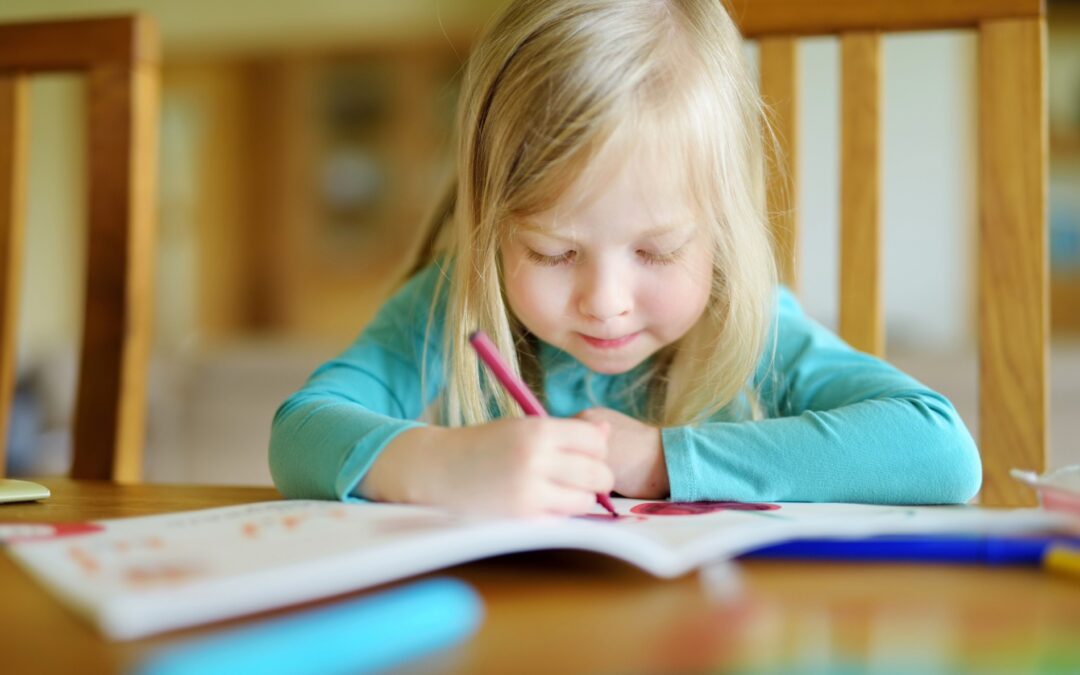
Storytime is already a favorite moment in many households, but pairing it with creative activities like drawing can make it even more effective for learning. Young minds benefit from both words and pictures, and when storytelling is combined with artistic expression, it often leads to an experience that sticks. When kids color while listening to a tale, they build stronger connections between the story’s rhythm and the visuals in front of them. The back and forth between story and art keeps their focus longer and makes the moment more interactive.
This pairing is especially useful during the preschool years. That’s when kids are still learning how to handle a crayon, follow a storyline, and make sense of rhyming words. Using coloring books for preschool during storytime can build these skills at the same time. A good, rhyming story gives their ears something to latch onto, while the coloring activity helps their hands stay active and connected to what they’re hearing. It’s all about turning reading into a full-body experience, one page and one scribble at a time.
The Benefits of Combining Art and Storytelling
When kids get to color and hear a story at the same time, they’re getting more than just entertainment. They’re learning across different parts of their brain, and it can shape the way they understand and use language in the long run. Here’s a breakdown of what really happens when storytelling meets art time:
– Boosts Creativity
Coloring and drawing let kids picture what they’re hearing. If a story describes a dog with a spotted tail jumping through a field, the child begins creating that image in their mind, then brings it to life with color. This active creation helps them think beyond the words on the page.
– Builds Memory
When a story is paired with a visual task, it’s easier to remember. The motion of coloring helps young brains tie information together. They may recall a scene better just by flipping through their artwork and seeing what they drew.
– Supports Motor Skill Development
Holding crayons, staying inside the lines, and following simple instructions help fine-tune little muscles in the hands and wrists. These skills become important later when learning how to write. Coloring while listening adds purpose to this movement and keeps their hands busy with intention.
When both art and words work together, kids get a richer and more engaging learning opportunity. It gives them more ways to understand a story and encourages them to express their version of it, even before they can write a single sentence.
The Role of Rhyming Stories in Learning
Rhyming stories aren’t just fun to say out loud—they help kids learn how language works. Rhymes add a rhythm that gets stuck in their heads, like a catchy song. That rhythm gives these stories a beat, making it easier to follow along and stay interested. Young readers get into a flow, both listening and predicting what comes next.
Repetition plays a big part here too. When kids hear matching sounds at the end of lines, their brains start to spot those patterns. They begin to understand word endings, sound combinations, and sentence rhymes without even realizing it. This builds listening skills and early phonics awareness, all while they think they’re just enjoying a silly story.
Rhyming also lights up the senses. Words that mimic sound or bounce off the tongue have a way of pulling in the listener. They hold attention just a bit longer. And when those words are matched with art, like coloring a jackrabbit as it hops or tracing the moonlight over hills, it clicks even more. One example might be a child coloring circles while listening to a part of the story that says, “Round and wide, we ride the tide.” The sound, rhythm, and action all come together to keep their focus where it belongs.
Putting rhymes and art side by side is a small shift with lasting results. The story sticks. The colors pop. And the learning takes root without feeling like a lesson at all.
How to Use Coloring Books to Enhance Storytelling
Bringing coloring books into storytime isn’t about adding another task. It’s about making the experience hands-on and layered. When preschoolers have something to do with their hands while they listen, they stay with the story longer and connect more deeply with it. The rhythm of a rhyming tale combined with the repetitive movement of coloring creates a steady backbeat that keeps the mind focused without feeling strict.
There are different ways to pair coloring books with stories, but a few methods make the transition extra natural:
1. Keep It Interactive
Pause during key parts of the story and let preschoolers color something that matches what they heard. If there’s a line about zooming past stars in the sky, have them color a star while it’s still fresh in their minds. This back-and-forth between reading and coloring keeps their attention active.
2. Choose Coloring Books That Follow a Theme
A story about animals in the wild goes well with a coloring page full of trees and creatures. Matching the topic of the book to the drawing helps reinforce concepts and vocabulary without repetition. The themed design strengthens the connection between what they’re hearing and what they’re doing.
3. Make It a Routine
Set aside a special time each week for art and rhymes. Keep the crayons, markers, and coloring books in one spot and bring out the same set of materials at each session. The comfort and predictability of this setup actually fuel imagination because there’s no guesswork, just room to explore.
4. Create a Step-by-Step Flow
Get the most out of the experience by setting a rhythm:
– Start by quickly previewing the story so kids know what sounds and characters to expect
– Let them choose a page in their coloring book that loosely links to the story
– As you read, pause occasionally and ask if the lines remind them of anything they’re coloring
– After the reading, take a moment to talk about what they drew and how it connects to what they heard
This mix of action and reflection stretches attention longer than either coloring or reading alone.
Making Storytime Stick with Rhythm and Color
Preschool years are filled with trial, error, and discovery. Giving kids varied ways to engage with language during those years builds a foundation that lasts. When you match rhythmic storytelling with art, you give kids tools to listen, watch, and create all at once. Rhyming books bring a beat into storytime, and coloring keeps young hands and eyes tuned in to the flow of each line. That mix of structure and flexibility gives them room to grow without pressure.
At its core, this approach is about making reading feel active and meaningful. The repeating sounds combined with the movement of the hands deliver a full-body learning moment. Preschoolers who listen while coloring get a double layer of skill-building—one through their ears and one through their fingertips. It’s simple, steady, and engaging. With the right story rhythm and a stack of pages ready for color, you create joyful chances to boost early learning in a way that feels like play.
Enhance your child’s learning experience by combining art and storytelling with our special selection of coloring books for preschool at The Magical Adventure of Sadie and Seeds. Our interactive books encourage creativity and language skills by blending captivating rhyming stories with engaging coloring activities. Inspire your young learner to explore new worlds of imagination, all while developing important early skills. Dive into our colorful adventures and make playtime both fun and educational. One magical adventure at a time.