
Animal-themed stories for kids have a way of sparking imagination and pulling readers into new adventures. Whether it’s a curious dog on a quest or a clever cat solving a puzzle, stories filled with animal characters often leave a lasting impression. These characters capture attention not just because they’re cute or funny, but because they move and think in ways we recognize. Their actions tell real stories, and those stories stick with readers long after the final page.
Another part of what makes them so memorable? Rhythm and rhyme. The sound of the words, the way they flow, and the beat of the sentences all help make animal characters come alive in a child’s mind. When rhyme and rhythm work together, they make storytelling feel more like music. This natural pattern makes reading feel like play, and animal friends at the center of those stories make it even more enjoyable.
The Charm Of Animal Characters In Children’s Stories
There’s something about a talking labrador or a wise old owl that grabs attention right away. Maybe it’s the way animal characters can express feelings like fear, excitement, or wonder in ways that feel familiar. They behave a little like us, but not exactly. That tiny bit of difference makes them fascinating to follow and easy to remember.
Kids and adults tend to remember animal characters because many of them are built around big emotions and clear traits. A bear might talk slowly and sound thoughtful. A bunny might jump around with endless energy. With just a few words and the right illustration, readers know what that character is about. It’s like putting a face to a feeling, which helps stories stick in our heads.
Here are a few common animal types that show up often in children’s books:
1. Brave or curious dogs, leading the way of getting into trouble
2. Clever cats, full of ideas and mischief
3. Determined turtles or snails, showing patience and persistence
4. Playful birds, adding movement and songs to the story
5. Wise old owls, giving advice or clues during a quest
And once these characters are placed in a story with rhythm and rhyme, the effect becomes even stronger. Stories with melody give readers a beat to follow, a pattern to expect, and a way to hear the story unfold like music. That memory of rhyme paired with a memorable character is no accident. It’s part of how good stories are made to last.
Rhythm And Rhyme: Turning Animal Stories Into Musical Adventures
Rhyme and rhythm aren’t just tools for fun. They help stories take shape. When each page turns with a pattern of sounds that repeat or surprise, readers start to feel the shape of the story without even thinking about it. That’s especially powerful when the stories are centered around animals. It’s one thing to read about a mouse exploring a meadow. It’s another to read:
A whisker twitched, then off she flew,
Through blades of grass still wet with dew.
The musical flow of language catches attention and guides the pace. It also gives animal characters a chance to move in rhythm. Whether they’re hopping, flying, galloping, or creeping, rhyme becomes a part of their action. Instead of just seeing a bunny hop, the reader hears it in their head through the flow of the words.
Stories told in rhyme also help with memory. Repeating sounds and movements make it easier to remember the next line or what comes next in the story. That’s why animal-themed narratives that use rhythm often become favorites. Readers can feel the momentum, join in on the beat, or even guess what rhyming word might come next. Every rhyme adds another layer to the character’s actions and the mood of the scene.
This musical storytelling style doesn’t just keep young readers interested. It helps them feel like they’re part of the journey. Whether it’s a bear marching to a steady beat or a bird flying in smooth, winding lines, rhyme and rhythm turn each page into something that moves, sounds, and feels alive.
How Animal-Themed Stories Foster Imagination
Animal stories often do more than just entertain. The rhythm in the text helps spark vivid pictures in a reader’s mind. With each page, a new setting comes to life. A fox plays in the autumn leaves. A squirrel moves quickly through the tall trees. When rhyme flows smoothly, the scene becomes easy to picture and even easier to remember.
Rhyme makes the words feel like part of the story’s motion. Characters don’t just move through a story. They move to a beat. Each sentence carries the reader forward in a way that mirrors the rhythm of the animal’s movement. A frog leaps in short, rhymed bursts. A snake might slither through hissing sounds and stretched-out syllables.
This kind of rhythm is quietly powerful. It encourages readers to picture things in motion and imagine how animals might sound, feel, and react in different places. It also invites them to hear the story, not just read it. When a raccoon scurries by the riverbank or a mole digs in the dirt, the sound of the wordplay adds to the scene in a playful, surprising way.
Imaginative thinking comes naturally when rhyme leads the way. The predictability of endings makes it easier to follow along, even when the events are unexpected. Rhyming stories tied to animals give structure to pretend play, as readers start to make up new stories or act out the scenes themselves. Before you know it, a cat who rhymes her way through a treasure hunt becomes part of make-believe play long after the book is closed.
Creating Enduring Reading Memories With Animal Characters
Animal characters paired with rhyming storytelling leave behind strong mental pictures. Readers remember the way a rhino stomped to a thumping beat or how a parrot sang a lively tune through a string of rhymes. These patterns stick in the brain, which is exactly what makes animal-themed stories so memorable over time.
Rhymes are like trails through the story. They give clues about what words are coming next, making it easier for readers to follow, repeat, or join in. This repetition boosts recall and helps make stories easier to return to. Once a reader gets familiar with the rhythm, the story becomes something they can almost chant or sing from start to finish.
Here’s why these patterns help stories stay with us:
– Rhyme builds sound memory, linking words in a meaningful way
– Repetition supports recall, especially with recurring characters or themes
– Rhythm carries the action, making even simple events feel exciting to follow
– Predictable patterns create anticipation, keeping interest strong
– Shared reading becomes musical, encouraging repeat enjoyment
When animal characters are part of these patterns, the result is often a story that jumps off the shelf again and again. Readers don’t have to work hard to remember what happened—they already know the beat. The playful structure of rhymed language connects every part: the character, their actions, the setting, and the sounds.
How Rhythm Makes Every Tale Stick
There’s a special kind of memory that forms when animal tales are told in rhyme. Whether it’s a hedgehog hiding with a hum or a deer dashing to a dappled beat, the sound and movement of the words keep the adventure fresh. The rhythm doesn’t just move the story forward. It holds the whole thing together like a melody stuck in your head.
When a story introduces animal characters who act, feel, and move in rhyme, it creates a complete reading experience that lingers. The reader doesn’t just see the forest trail or meadow—they hear it. They feel the hop of each phrase or the glide of a stanza. That sensory mix helps the story stick far longer than plain words alone.
Animal-themed stories that use rhyme have a way of growing with the reader, too. Each reading reveals a little more. A smart turn of phrase or a subtle beat becomes easier to catch the next time through. Over time, those lines become part of the reader’s voice, ready to be shared, repeated, and loved again.
If you’re searching for stories that leave a mark, bring the sounds of rhyme and the charm of animals together. When paired with rhythm, those furry, feathered, or scaly characters don’t just tell a story. They help build readers’ memories in ways that echo for years.
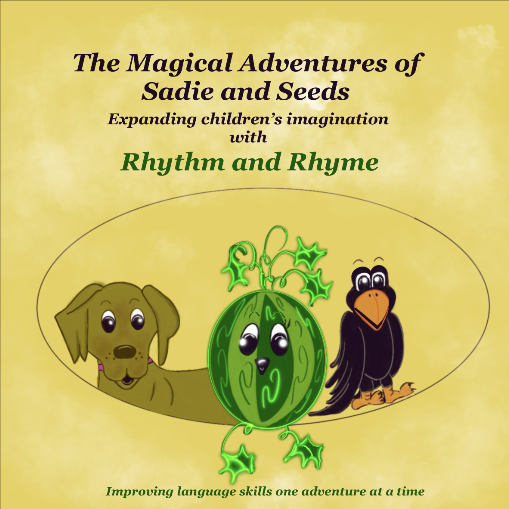
Ignite your child’s imagination with delightful tales from The Magical Adventure of Sadie and Seeds, where enchanting animal stories and rhythmic rhymes come to life. Dive into our collection of captivating kids’ animal books that make reading exciting and unforgettable. Let each storybook adventure create cherished memories, as your child embarks on journeys filled with vivid characters and musical storytelling one magical adventure at a time.