
Adventure stories have a way of pulling readers out of their everyday routine and into something much bigger. For young readers especially, that sense of discovery can flip a regular afternoon into a chance to explore far-off places, curious creatures, and unexpected twists. These stories capture attention fast and keep readers flipping pages, eager to find out what happens next.
What makes adventure stories really stand out is how they invite imagination to take center stage. Whether the story centers on a brave dog exploring a magical forest or an animal tracking down hidden treasure, adventure sets the stage for wonder. It’s in these made-up places where the fantastic feels real and where anything feels possible. That kind of thinking helps imagination bloom.
Adventure Stories: A Gateway to Imagination
The fun of an adventure story is more than just what happens. It’s about putting readers inside a world where surprises never stop coming. A rhyming tale packed with action leads kids to expect something offbeat or bold around every corner. That keeps their minds ticking and ready for the next surprise.
These kinds of stories matter during early stages of growth. When kids hear sounds they recognize—rhymes, beats, and silly phrasing—and link them to exciting parts of a story, they start understanding how pieces fit together. Books filled with rhythm and adventure often pull all of this together, helping shape stronger mental connections while keeping things fun.
Some story themes that fill kids with wonder and widen imagination include:
1. Animal explorers traveling through strange lands
2. Hidden paths and secret doors waiting to be opened
3. Magical rhythms that guide the way
4. Unlikely heroes solving problems with clever thinking
As each page turns, curiosity deepens. Kids are no longer just listening or reading a book—they’re actively building that place in their minds, imagining the scenes, and dreaming what they’d do if they were there.
The Magic of Rhythm and Rhyme in Adventures
Rhythm and rhyme shape how a story sounds and feels. Their patterns give a story flow and beat. This anchors early readers, even when strange things start happening in wild and wonderful scenes. For example, a line like “Sadie jogs through fog so wide, chasing seeds the winds can’t hide” gives a rhythm that plays like music while still moving the plot forward.
These sound patterns stick in a child’s memory. Rhymed words are easier to remember, allowing kids to re-read and recite parts over time. That makes reading fun and helps them learn how language works. Repetition and rhyme help set up lasting skills.
Here’s why rhyming adventures hold on longer in a reader’s mind:
1. They teach language rhythm through fun patterns
2. They encourage listening skills through sound play
3. They turn reading into something similar to a song or a game
Rhyming adventure stories grab attention in a way that’s both calming and surprising. The familiarity of rhyme creates comfort. The unexpected turns in the story spark interest. That mix keeps kids engaged and wanting more.
Character Journeys That Inspire
At the center of every adventure is a main character driven by a goal. That goal might be to find something, solve a riddle, or chase a vanishing light. Rhyming adventure books bring these daring journeys to life while keeping the pace and language fun. These kinds of missions excite readers as much as the characters themselves.
When rhyme walks hand in hand with storytelling, young readers get swept up in the flow. Each line helps carry them to new places, one rhyming step after another. The pattern makes it easier to follow and more enjoyable to guess what might come next.
Here are some examples of what might show up in a rhyming adventure:
1. A trail that hums when secrets are near
2. A moonlight riddle only the daring can hear
3. A cave that echoes each clever line
4. A bunny with clues hidden in rhyme
Every stop along the way gives readers something to think about. They learn to connect the dots, pay attention to rhythm, and enjoy how words and pictures work together to tell a story. This builds listening and thinking skills with ease.
Creating Vivid Worlds Through Language
Great stories don’t need complicated words. They need the right ones. When rhyme meets description, a strange land comes alive in a child’s mind. With just a few rhyming phrases, a glowing river or a flying ladder becomes real enough to see with eyes closed.
Rhythm in storytelling acts like a soundtrack. It guides the pace and highlights the beat of each scene. Rhyming lines grab focus and make certain moments easier to imagine. They also invite young readers to repeat favorite stanzas just for the fun of it.
Strong imagery paired with rhyme creates lasting impressions. A short burst of rhyme describing a raccoon tumbling down a waterfall of stars will live longer in a memory than a plain list of facts ever could. Over time, readers learn to pick up on patterns, sounds, and even the rhythm of how ideas unfold.
Want to boost that kind of detailed thinking? Try asking:
1. What do you picture when you hear that line?
2. What sound does the rhyme make in your head?
3. Can you draw the world the way you imagine it?
These little actions help young minds slow down and dive in. They start to notice the small details that make a big difference in how a story is enjoyed.
Benefits Beyond the Page
Adventures told in rhyme do much more than sound nice. They help shape big thinking. Patterns in language help the brain build memory. Rhymes that repeat guide attention. That’s why adventure books with rhyme often lead to sharper listening skills and better word recognition.
Rhyming tales also lead to creative learning. If a child reads about an animal gliding across a sky made of string, chances are they’ll want to draw it, or even write one like it. This spark of new thought often shows up outside of reading time in fun and useful ways.
More lasting gains from rhyme-filled adventures include:
1. Better word memory
2. More focused attention
3. A growing excitement for storytelling
4. A stronger bond with language and how it works
None of these changes need to be pushed or forced. If kids enjoy reading something, they return to it often. The more often they engage with rhyme and rhythm, the stronger their understanding of story patterns and language becomes.
Every Great Story Starts Somewhere
Adventure rhymes aren’t just fun. They carry kids through big ideas, clever twists, and shimmering locations one beat at a time. Each rhyming path welcomes readers into a new place, led by brave characters and bright language. These stories work by making reading feel like play.
If you’re hoping to help a child begin their love for books, seek out rhyming adventures with rich scenes and musical lines. The right balance of rhythm and journey helps open up a child’s imagination. When a story feels fun, kids want to read more—and when they read more, they grow in ways that go far beyond the page.
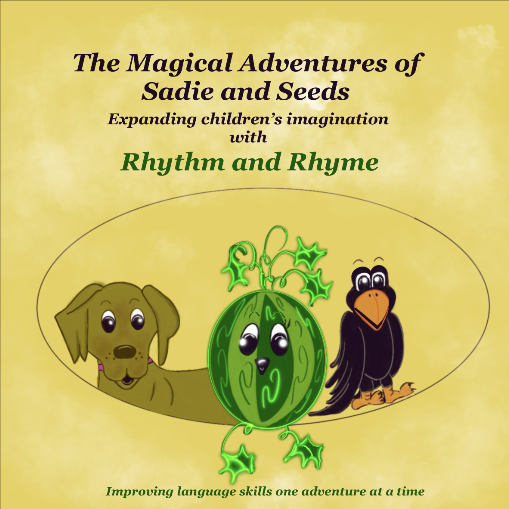
Immerse your child in the wonder of magical tales with The Magical Adventure of Sadie and Seeds, where each story transforms reading into a delightful adventure. Uncover a world of imagination with our inspirational kids’ books that use rhythm and rhyme to captivate young minds, sparking creativity and joy. Let every page encourage your child to explore new places and meet daring heroes, all while nurturing a lifelong love for storytelling. One magical adventure at a time.